Five Financial Sanctuaries that Place your Retirement in Jeopardy.

Featured

Originally appeared in MarketWatch’s Retirement Weekly.

In the AMC smash-hit television drama “The Walking Dead,” a group of road-hardened survivors of a zombie apocalypse seek protection from the undead (and the living who pose greater dangers than cannibalistic walking corpses.)

The fifth-season opener finds the weary characters fighting for their lives against a community of cannibals who lured them to a so-called safe zone called “Terminus.”

terminus

Handwritten signs and maps along roads and rails of rural Georgia guided the crew to a final destination, sanctuary was promised for all who arrived.

Sanctuary

On the surface, it appeared to be a dream come true. Warm smiles, comforting words, hot food.

Underneath, Terminus was nothing as promised or perceived. Victims were lured in to be placed in rail cars like cattle and eventually slaughtered.

rail car

As there is a fine line between fact and fiction, this harrowing situation got me thinking about portfolios in retirement.

 Stay with me.

Think sanctuary and think safety. A false tranquility can disarm and open the gates to great risks without your awareness. What lurks underneath your financial safe havens may eventually place your money and retirement lifestyle in jeopardy.

When making financial decisions and monitoring progress based on those decisions, you need to accept when the environment changes; make a move when safe havens turn to Terminus.

Here are five financial sanctuaries that can place a secure retirement at risk right now.

 Random Thoughts:

1). Stocks. Market sanctuaries can turn unrecognizable and hostile very fast. As the stock market reaches new highs there’s an ominous feeling of complacency among investors. It’s been over three years since the S&P 500 hit an official correction or greater than a 10% drop from a previous closing high.

Consider October’s volatility a wake-up call as early in the month, the S&P 500 was rapidly moving into correction, small-company stocks and international stocks were officially there and bond yields moved lower (100% of economists predicted that bond yields would be higher by fourth quarter 2014). October concluded much different than it started – with domestic markets headed to new highs.

Underneath the surface of stocks it looks nothing like a sanctuary – Large and mega-cap indexes have outperformed, a sign of a late-stage bull market phase, small-company stocks are recovering but underperforming, which points to risk abatement. It shouldn’t be ignored how cyclical stocks like energy, or those considered beneficiaries of economic expansion, are lagging defensive stocks (think utilities, consumer staples), currently. The outperformance in defensive sectors is usually indicative of market tops and economic peaks.

The Federal Reserve’s conclusion of quantitative easing  (bond purchase) program in October signifies a reduction of central bank liquidity that can increase volatility as investors and traders seek to figure out what the next tailwind for stocks is going to be.

The S&P 500 is 24.5% above its three-year moving average (36 months) -one of the widest dispersions from the moving average since fourth quarter 2007. Like a rubber band, over time market returns will stretch far above and below long-term moving averages. Although it’s impossible to know when the band will snap back to the moving average, historical downside going back to 2000 shows when the market does contract, the process is damaging. The worst contractions were 38% and 40% in 2002 and 2009, respectively.

Stocks are protection against inflation until they’re not and you’ve lost 5 years making back what you lost and inflation becomes the least of your problems. By then, you’ll feel trapped and look to re-pave the path of retirement. Whether it’s returning to work, reducing household expenses, cutting how much you withdraw from investment accounts – you’ll be prepared to do whatever’s necessary to preserve capital and slow the bleeding of investment assets.

Create an allocation to stocks that won’t cause you to panic when the bear market arrives (and it will). Don’t be overconfident. Remain vigilant and make sure to follow rules-based rebalancing where you trim gains on a periodic basis. The fourth quarter of the year is a good time to tax harvest – sell positions with capital losses in brokerage accounts to offset capital gains.

2). Index funds. It appears that index fund enthusiasts will stand strong and proudly absorb the blow as their stock sanctuary turns against them. Indexers believe that losses are temporary because in the long-term, stock markets always recover; paper losses aren’t real, they’re perceived as a bump along the path, par for the course. Like the befallen travelers who arrive at Terminus, they are not in touch with the reality of the situation they’re up against.

behead

A sequence of anemic returns or losses in the face of periodic withdrawals can dramatically decrease the longevity of a retirement portfolio. In other words, index funds are no protection against increased drawdown and market risks. At least fees make the losses less painful (or do they?).

The battle among “passive” indexers and “active” fund advocates is growing more heated as the fourth longest bull market in history continues.  I consider most of the discussion noise; the headlines are a distraction from the real perspective investors in retirement should maintain:

No matter what you hear out of most financial professionals, stock index funds are not passive. Every investment should be treated as active as soon as it is added to a portfolio.

Look beyond the attributes of stock index funds (and there are quite a few) like low fees, wide industry and company representation, tax efficiencies, and face the traps that will eventually put you in a position to fight or perish.

For example, index funds will experience the full brunt of a bear market attack (because generally they represent the market) which means you as the manager must decide the degree of loss you’re willing to accept. Staying invested is an action; reducing exposure to a losing index investment is an active decision. You are always in control, you always have a choice.

The preachers of passive seem willing to stand by and hope for the best. After all, you can’t control or predict the direction markets. That’s true. However, the amount of capital destruction you’re willing to absorb, is in your control. Consider the potential damage and recovery rate. Your back is against the wall. Are you ready to fight? If your portfolio suffers a 20% drawdown you’ll require 33.33% to break even.

Specific purchase and sell rules must be attached to each investment under consideration. Risk management never ensures against all portfolio losses, it minimizes the damage so you can come back and fight another day. It’s all about survival when it comes to the end of world (and your money).

Also, when you invest, depending on stock market valuations, is extremely relevant to future returns.

According to market historian and writer Doug Short, $1,000 invested at the peak of the market in the S&P 500 on March 24, 2000 would be worth $1,248 (adjusted for inflation) as of November 2, 2014, which equates to a 1.53% annualized real return.

Despite the mainstream marketing message (especially among indexers) designed to convince you that “time in the market” is a sanctuary, there have been many periods in history where you simply “ran out of time.” When adjusted for inflation, there are several 20-year periods in history where market returns have resulted in either low or negative outcomes.

Index funds have most likely outperformed your managed investments on the upside during this bull market; that doesn’t mean they’ll hold up better through market declines. And when you buy, based on market price/earnings, has a significant impact on future returns. At nearly 26 times earnings based on the cyclically-adjusted P/E ratio, “time in the market” may not be as beneficial over the next 20-years. It just may be a Terminus for your portfolio.

3). Retirement account withdrawals. The 4% withdrawal strategy is too generic to be effective yet it’s treated like a universal rule and preached in mass to new retirees seeking comfort after a long journey of employment. It’s as worn as the warped, wooden signs guiding The Walking Dead survivors to a place they perceive as refuge, but really is a trap.

Based on work by Sam Pittman Ph.D. and Rod Greenshields, CFA of Russell Investments, the first step to creating a retirement withdrawal that protects against longevity risk, is to calculate the ratio of current assets to the present value of forecasted retirement spending. This is called your current funded ratio. It’s a popular method pension administrators use to determine the fiscal health of their expected payouts for participants. Few advisers will consider this method and go straight to a withdrawal rate calculation that doesn’t account for an individual’s overall financial situation or household balance sheet.

The current-funded ratio method requires matching assets to liabilities to determine whether there’s adequate coverage over living expenses and inflation throughout retirement. A ratio of 100% or greater, especially during the first decade of retirement, is indicative of a greater chance of avoiding outliving a nest egg. If the present-value funded ratio is estimated to be less than 100% in ten years, adjustments to withdrawal rates or living expenses can be made before withdrawals occur. The ratio should be calculated every three years or after a sequence of below-average portfolio returns.

The strategy is called adaptive investing. Ask your financial partner about it to see if makes sense as part of your retirement planning process.

4). Company stock concentration at the beginning of retirement. Many retirees are hesitant to manage their net worth tied up in company stock, especially in the early years of retirement. Their human capital may have left the company and enjoyed the retirement party but the emotional attachment to the stock continues strong, and is possibly dangerous.

More than 25% of liquid net worth in company stock, leaves a retiree either “the butcher or the cattle,” a philosophy the tenured residents of Terminus believe. It’s a great tailwind to net worth and retiree psychology when an overconcentration to company stock is performing well hence the butcher. When the investment is performing poorly, a vulnerability to the retirement plan arises which becomes an emotional and financial drain to the retiree and others in the household.

A formal plan should include an exit strategy for company stock within 5 years of retirement. Work down to a 10% allocation which will satisfy your attachment need but won’t derail the early years of retirement. In addition, it can allow you greater diversification potential and liquidity to meet living expenses.

5). Your broker. Someone asked me once – “Are you a broker?” I replied – “No. I’m not here to break anything, I’m here to help.” Joking aside, you may be very comfortable with your current financial relationship; consider if you have an understanding of the motives behind your adviser’s employer. Perhaps you never gave it a thought.

 Ask this question: “What is your sales goal and how do I fit in?”

Yes, most in the financial services business are salespeople. Nothing wrong with it as long as your needs are met and full disclosures are made. However, maybe you’re looking for something more. I believe this question gets to the heart of a financial firm’s true motivation. Then ask: “How do you feel about your sales goals?” Are they perceived as fair by your financial partner? Ask another: “How much time will you spend with me, my planning needs and investment accounts?”

Get specifics. Ponder the answers, then consider: Are you a one-time sale or an ongoing relationship, or a bit of both?

In a recent podcast interview with self-help author and investor James Altucher, success coach Anthony Robbins shared candid insights from the experiences writing his new book, “MONEY Master the Game: 7 Simple Steps to Financial Freedom.” He explains how the financial system is designed to prosper the needs of shareholders, not investors.  My take: A key is to know what questions to ask and seek answers that are simple and transparent.

“There are 312 names for brokers, today,” Tony mentions. “I’m so supportive of people that are fiduciaries, people that are trained and who are legally required to look out for you. I’m looking for people who are fiduciaries and sophisticated.”

I believe disclosure of sales goals is important. Understanding if your adviser is a fiduciary and focuses on your interests first, or a broker that has his or her employer’s objectives as a primary focus, will help you find the right long-term partner or clarify a relationship you currently enjoy (or question).

The investing climate for retirees can be scarier than fleeing from flesh-eating zombies.

Even worse are times you believe you’re safe; conditions change, you fail to acknowledge the shifting environment or realize that a financial sanctuary has turned hostile.

 It’s always better to be the butcher than the cattle.

butcher or cattle

Perhaps that fiendish Terminus crew were on to something after all.


7 Smart Money Habits For College Freshmen.

Featured

As featured in Nerdwallet & CS Monitor.

There’s a lot of financial temptation surrounding college students: credit card offers, the availability of student loans, the excitement of being on your own and in control of your spending money.

college freshmen

Freshman year can be a whirlwind of activity. But make some time for one more lesson: Form smart money habits. If you give it a little thought now, you can jumpstart a successful long-term relationship with money—and not end up crushed under a mountain of student loan or credit card debt.

The positive habits you set this year will remain with you long after you’ve earned your cap and gown. I’ve coached many students on how to be savvy with their money and maximize the financial potential of the college years. Here are seven of the most successful ideas.

Random Thoughts:

1. Assume one year’s worth of student loan debt and no more. No matter what.

The average student loan is now $33,000, which makes the class of 2014 the most indebted class in history. Do what you can to stick to one year’s worth of debt, even if it means attending a community college first or working for two years before beginning classes.

It’s radical thinking for some; you may believe this suggestion too austere. But the last thing you want is to be saddled with heavy debt burdens. The college graduate unemployment rate is currently 8.5% and the underemployment rate (new grads who are jobless, hunting for employment or working part-time) stands at 16.8%, according to a report from the Economic Policy Institute.

2. Begin a social media strategy.

And I don’t mean Instagram. Using a social media outlet such as LinkedIn, where you can connect to thought leaders, managers and prospective employers, can pay off down the road when you’re job hunting. Post articles daily—three sentences of poignant commentary reflecting your thoughts and a passion to share knowledge. Set a goal of acquiring 600 LinkedIn contacts by the time you graduate.

Drunk on toilet Not a good pic for social media.

Also use your first year as an opportunity to “clean up” personal social media accounts like Facebook, which is increasingly under scrutiny by human resources departments.

3. Watch your credit.

Take out no more than one credit card to obtain and strengthen a credit score. When I was in college, credit card providers were everywhere. I signed up for two cards and needed to work a couple of jobs to pay off the debt. Don’t do it. Based on recent legislation, credit card vendors are no longer omnipresent on campuses.

There are many attractive cards available to college students. Most likely, you’ll need a co-signer, as you won’t have full-time income. There should be a limit placed on the card, anywhere from a $500 to $1,000 maximum. The lender will most likely place strict limits on your available credit without you asking for it, but inquire anyway.

4. Consider a Roth IRA.

Believe it or not, it’s not too early to begin saving for retirement; think of all the time you have to benefit from investment appreciation. It’s OK to start small; remember, you’re trying to create a lifelong savings habit. Earnings from a part-time job are perfect for funding a Roth IRA.

For 2014, the contribution limit is $5,500, and at retirement, the money is available tax-free. Also, contributions (which are made with after-tax dollars) can be withdrawn at any time before retirement, without penalty.

5. Don’t get carried away with school spirit.

In college, I needed to own every T-shirt, sweatshirt, pen, mug—you name it, all emblazoned with the school logo. I spent hundreds of dollars on stuff I didn’t need due to my out-of-control school spirit. Limit your enthusiasm to two wearable items a year.

6. Begin a budgeting behavior.

Heck, not even an actual budget; I know how busy you’re going to be. A budget mindset is enough. Be aware of your spending habits. Understand once you run out of cash, you’re out. Do not go to the credit card for relief.

And keep a conversation going with your folks. The most successful students have parents who jointly review spending with their kids on a monthly basis. It takes less than 10 minutes to discover the expenditures with the greatest impact on cash flow.

7. Study one money tip each day or week.

It’s not that difficult. Pick any financial topic. Read one article in the business section of a local newspaper daily before you hit the books. One graduate I know read about one basic investing topic weekly at www.investor.gov. She developed a great intuitive sense about stocks, bonds, money markets—enough to ask smart questions that allowed her to maximize her 401(k) savings when she landed a job.

There’s a lot to learn as a freshman; enjoying your college experience to the fullest is important.

Just keep your money in mind, and think about how the actions you take today can either set you on the path to financial success or leave you lost in the woods.

Have Kids? 4 Ways to Save Money: 4 Ways Dave Ramsey gets it Wrong.

Featured

“Money is more than money, sometimes it’s memory.”

I’ll never forget the March day in 1973 when the birthday gift from my parents – a new lime-green Schwinn 10-speed with a prism-like banana seat (complete with black double-stripe down the middle) was stolen from outside the Brooklyn neighborhood toy store – Cheap Charlie’s.

green schwinn

I believed I did all the right things to ensure my prized possession was secured tightly to a small tree.  It was in my line of sight; no matter where I was, even checking out stacks of Hasbro Colorforms’ boxes at the back of my favorite five and dime, I could glance out the large plate glass windows and observe some part of the bike’s beautiful, clean lines.

Padlock checked twice. Pulled on the lock again, just to be sure I wasn’t fooling myself that the bike was secure.

It wasn’t enough to keep this new birthday purchase from disappearing.

Looked up from the new GI Joe Adventure Team play sets and in less than two minutes the bike was history. I bolted out the front door, looked around, up and down Avenue U as fast as my head could turn and eyes would dart.

mummy tomb My favorite!!

Nothing.  How did the bastard get away so quickly? Oh yeah, he was on wheels.

How do I now tell my parents the expensive gift that surprised me three hours earlier was now history?

Recently, Dave Ramsey or his people (he’s big time, he has people), wrote an article that rubbed me the wrong way. Usually, I agree with the information that Dave provides however, this piece (link below) inspired the line about money linked to memory.

10 Ways We Waste Money On Our Kids.

The Ramsey article was the catalyst to re-live a painful life episode from over forty years ago.

What happened after the incident was memorable, too.  In a good way.

And I’ll never forget.

Back to Dave’s article: Used bikes, no hamsters as pets – Made me grateful to not be a kid or grandchild under the Ramsey roof.

Is there a balanced approach here so rodents can still scurry through colorful Habittrail tubes in happy homes?

I think so.

habitrail I bet Dave would hate Habittrail (too expensive).

Let’s break it down.

Here are 4 ways to save and 4 areas where Dave Ramsey is way off the mark.

 Random Thoughts:

1). Go used or reused. I don’t believe our money has achieved the maximum return on thrift stores or consignment shops.

Thankfully, the stigma of shopping at a Salvation Army is dying; perhaps it’s the disappointing economic recovery where much of the middle class feels like the Great Recession never ended. Recently, my daughter and I went shopping for a winter week-long trip to New York City and found some astounding cold weather wear deals at a neighborhood place that sells gently-used teen clothing. Check out www.thethriftshopper.com for a national thrift store directory and a shoppers’ forum where all topics thrift are discussed.

2). Arts and crafts fun not boring. Crafting dollars still go a long way and what a method to engage your child in a family creative endeavor. I know it sounds old school, however some of the best returns on memory I have with my daughter is the Halloween and autumn-related crafts we did at home. We finished multiple joint projects including fall wreaths and small sentiments for family and it was short on cost, long on satisfaction. Sign up for Pinterest and investigate fall craft ideas. I was floored by the number of inexpensive DIY Halloween projects.

3). Get tricky. When I was a kid I drove my mother crazy because I was only interested in popular name brands of food. I was a sucker for television advertising. For example, I would only eat the bacon with the Indian head profile complete with full headdress, on the front of the package – can’t recall the name now. Of course, it was the most expensive and as a single parent household, mom was on a tight budget. I still remember catching her placing a less popular bacon in an old package of the brand I liked.  Come to think of it, I think she did this often. I recall on occasion my Lucky Charms not having as many marshmallows. Oh the shame! She was attempting to trick me. As I age I realize I’m fine with tricking children. Buy the Frosted Flakes, keep the box and replace with the generic brand to save money. Today, less expensive brands are tough to tell apart from the premium ones. Try it.

4). Don’t miss the forest for the trees. Visit local venues first. This time of year many autumn fairs pop up at farms, places of worship and even retail parking lots. Peruse the local fair festival guides in community impact newspapers and take inexpensive journeys.  It’s a great time to have children select and prepare fresh vegetables and fruits available from local vendors.

The stuff Dave Ramsey is saying is a waste may not be to you because money is not just a medium of exchange, it purchases long-term lessons and memories of places and people long gone.

So, despite what the Ramsey group says:

1). Get, or if you can, adopt a pet. The hamster or whatever suits your family. My hamster Benjy lived five years. Yes, five years! And he taught me great responsibility and love. He brought happiness and accomplishment to my life as a nine-year old. I thought he’d live forever. I taught him tricks. He chased my mother around our tiny Brooklyn walk-up (an added bonus). Dave says no Benjy. I’m sorry, this advice is wrong.

2). Say yes to movie tickets. Ok, you don’t want your six-year old to see The Equalizer, I get it. Although my father took me to The Godfather when it first hit theatres and Sonny getting converted into human Swiss cheese at the tollbooth affected me for years, there is a bonding experience between parents and children at the movies. So, you sit through Little Fluffy Bunny Finds a Carrot or whatever kids’ flick is playing. Take your children to the movies. Splurge on the overpriced candy and popcorn.

3). Yes to electronic games, too. My friend Jordan Shapiro, professor, teacher, author, contributor to Forbes and modern-day Socrates would advise you that electronic games can teach children much about life and ignite cognitive development. There are many ways to save here – plenty of gaming systems available used and in great condition, especially at pawn shops. I spent hours with my Batman coloring books; I agree crayons have a place in kids’ rooms, however, I don’t see how electronic games are a waste of money.

4). Buy the kid a new bike for gosh sakes. There’s nothing like the thrill of a new bike for a kid. All the adventures ahead – the feelings of freedom. Nothing but priceless. My head is reeling thinking about the places I went on two wheels.

Ah, so you’re wondering how I had so many great adventures when my bike was stolen the same day I got it.

Well, when I called my father from the kitchen Trimline phone crying hysterically, he immediately left work in the middle of the day (which only happened twice during my childhood),  and drove me to Frank’s Schwinn Shop on East 6th Street and bought me an identical replacement.

He said it wasn’t my fault.

On his deathbed, while he lapsed in and out of a coma, I whispered in my dad’s ear, reminded him about how I was grateful for him. And that damn bike episode. How it changed my life. He was there for me through a traumatic event.

It’s unfortunate when financial types become so successful they forget what money is truly all about. It’s “eat your vegetables, don’t have fun.”

No it isn’t.

“Money is more than money, sometimes it’s memory.”

So screw that advice.

remember moments

Is Your Money Sub-Optimized – 6 Methods To Making The Most Of Your Money & Life.

“I think we’re doing the right things with money but we feel sub-optimized.”

money burning

Twenty-four years guiding others through financial challenges, thousands of words, and oddly I experienced personal angst over this one -“sub-optimized.”

It’s rare the word arises, if at all. There was something about it that captured my ear and mind. I wondered about the obstacles that create what I call “dollar drag,” whereby the highest and best use of our money is overlooked or ignored.

Sub-optimization is an equal opportunity offender. We all are afflicted, even if our track record of handling money is better than average. There can be great intentions, even respectable core money habits and yet sub-optimization thrives because we’re human.

As in the case of this forty-something couple: Six-figure wage earners, ambitious savers who set aside 20% of income for retirement, well-funded 529 plans for young children and saddled with dangerous credit card debt levels due to a failed real estate venture.

Overall, I give them high marks when it comes to handing their money however a simple solution to reduce the high-interest debt was clearly in front of them and they couldn’t see it. They couldn’t wrap their minds around their financial condition in its entirety. There was a mental barrier between the personal and business debt even though they were the business. In other words, the burdensome interest charges affected their household net worth.

As a financial professional I realize nobody can avoid some degree of sub-optimization or dollar drag. Much of it stems from a failure in our logic called mental accounting.

See, we like to compartmentalize money: We create mental walls that prevent us from considering how each dollar can flow freely through and across various goals to the final and best destinations on our household balance sheets.

Dan Ariely, professor of behavioral economics at Duke University and New York Times best-selling author helped me understand how to position “highest and best use” in my mind. He said “every financial decision has an opportunity cost. You cannot make the best money choices in a vacuum.”

You must revolve around each decision and control where your money lands.

full circle thinking

So, how can you make better financial choices and think full circle?

 Random Thoughts:

1). Break it down and look around. Don’t perceive every financial challenge as a straight edge with a beginning and conclusion. It leads to narrow thinking and sub-optimization at the point of action.  Round out your thought process. Go where you never been before. When presented with a financial decision, break down the walls, goals, compartments and picture how all your dollars can flow free from their different types of accounts and work together to achieve the greatest impact to your bottom line.

When performing this exercise with my fiscally responsible couple, we concluded that utilizing an existing home equity line of credit at less than 4% interest, to pay off the credit card with 21% interest rate, was an optimum conclusion.  It was a major improvement never considered because the mental barriers were thick between business and personal accounts. Once those barriers were removed, a solution was obvious.

2). Grab every opportunity to assess the opportunity (cost).  I’ve gone overboard with this one. I take lessons seriously from influences like Dan Ariely and share them with anyone who will listen. I now examine the “full circle” of every money choice. I’m obsessed with dollar drag.

During a recent evening out, before ordering at an iconic Texas barbecue place, I stepped back and thought of what else I could do with the money.  Was this the “highest and best use” for my $28 bucks? I took away the walls and permitted the money to flow through other options including eating at home. I had to weigh the opportunity cost until I either returned full circle to the current choice, or stopped on a better solution. Better doesn’t always mean cheaper, either. When it comes to opportunity cost you need to input much into the calculation including what your time is worth and qualitative factors.

If anything, this type of exercise will allow you to pause before making a purchase and create awareness about other options that may bring greater satisfaction and value.

And yes, I went for the pork ribs and fixings.

omg bbq

3). Think rooftop, not basement. When you bust down the walls between dollars, you begin to think bigger (and smarter). You’re up on the roof looking out and over the landscape of your finances. You begin to see how fungible money is.

Most of the time, we rummage in the basement where it’s dark and narrow because of the laser-focus on the problem.  Unfortunately, the longer we concentrate, the less we observe lucrative options hiding in plain sight. That’s why financial decisions should begin from a holistic perspective (roof) and then narrowed down to the basement or specific issues at hand.

For example, when gasoline prices were shy of 4 dollars a gallon, I was inundated with inquiries about trading in paid-off automobiles for new gas-efficient options. In other words, I was being asked whether spending $32,000 was worth the saving of $600 a year at the gas pump. The numbers didn’t work out advantageously. Once you consider the opportunity cost of spending five figures, well, you’re on the roof and seeing things from a clearer perspective. From there, dollars may flow to higher uses or in these cases, not flow inefficiently to paying additional debt from automobile loans.

4). Hire a navigator. The navigators are out there. The best financial advisers are sensitive to their own emotional biases and can help others navigate through theirs. There’s a synergy and greater satisfaction when a financial partner can help reduce barriers and encourage breakthrough or “a-ha” moments. You always appreciate the highest and best use of a navigator. Ostensibly, your net worth should be affected positively, too.

5). Live your retirement plan optimization. The majority of people I meet have a retirement strategy. It exists in their heads but not in writing. Those who have a formal, written plan tend to weigh opportunity costs or are at the least, sensitive to the implications of their financial choices.  Since plans take into account your entire financial picture they direct you to focus on the big picture. Eventually, emotional walls fall, and you can easily think full circle and assess how every decision made today affects your retirement start date.

6). How sub-optimized are your relationships? As you grow as an individual, a force, you must consistently optimize your relationships to determine who is worthy of your inner circle. All the others must be cast away. They’re weights tied to your spirit and they will pull you down to shitsville.  Surround yourself with those who are smarter than you (not just book smart, but also will expose you to learning experiences outside your comfort zones). Also, people who make you laugh inspire optimization.

Oh..

Now that you’re in the mood to bust boundaries around money, keep in mind that any account can be a retirement account. Just because it’s not held with your employer or doesn’t have “IRA” in the title, doesn’t mean the dollars you save aren’t applicable to retirement. Society, to a degree, has encouraged mental accounting by sanctioning retirement vs. non-retirement accounts.

As part of your change in thinking, consider all money in one pool. You decide how it flows to its most honorable (and hopefully lucrative) conclusion.

Sub-optimization optimized my thinking; I hope it’s sparked a new perspective for you.

A clearer journey.

Without barriers.

And less drag on your dollars.

It’s time go full circle.


3 Ways Sexy Plastic Can Make You Smarter.

As I kid, I was turned on by plastic.

Plastic models.

Well, plastic model (hobby) kits.

From a company named Aurora.

A wonderful place.

Fuck off Willy Wonka and your chocolate minions.

This factory was IT.

Aurora

Oh Aurora how I miss your wonderfully kitschy plastic pop-culture glue and snap together sexiness.

It was a company I adored. No. more than adored. I was obsessed.

Everything they manufactured was perfect in my eyes.

Aurora Plastics Corporation was founded in 1950 by Joseph Giammarino in Brooklyn, New York (my hometown, sniff).

I thank him to this day. He was a model master.

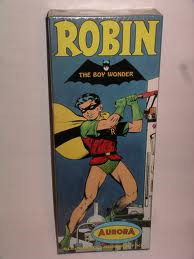
I required every molded monster, television personality that came of the magical Aurora factory. Even the box art was cool.

Don’t ask me how much the empty boxes go for on auction sites.

aurora box Empty box. – $300.Gasp.

My favorite series was the controversial Monster Scenes plastic snap-together kits.

They primed me for puberty before the the babysitter nudie-girlie dances entered my  Saturday nights (long story).

Released in the early 70’s to revitalize the brand, (then owned by Nabisco the cookie company interestingly enough), Aurora released the scantily clad, barefooted “Victim” model kit complete with outfit of a hottie hitchhiker right out of a Grindhouse flick.

It was love at first snap.

Bless her plastic cutoffs.

I owned two of the kits.

Don’t ask.

the victim

Then out came Vampirella  complete with ample bosom and sharp teeth that dealt the final blow to my childhood.

A busty female vampire in an outfit or what was left of one; cut way too provocative for the audience it was designed for. How I wished she could bite me with those plastic fangs (or at least rub against me in that outfit). Well, she did rub against me in that outfit. I don’t recall any objections although she did come apart at the seams at times. Glue was definitely stronger then *snap*.

I’m ashamed to recall how many times I ran my hands over her fine tan plastic (I never used paint as suggested by the instructions). Stopping at her breasts. Creating ringlets. Gently with an index finger. Giggling. Always giggling.

Me. Not her.

vampirella Her artwork was A cup. The actual kit? D cup. Definitely.

Let’s just say parents (pent-up moms; dads were too busy with spinning index fingers), were enraged with this line of model kits.

Didn’t help how the box illustrations were provocative artsy, plastered with “Rated X…for Excitement,” printed on the tops.

The “Victim” model was an accessory of sorts, well she was a victim. Slim enough to fit into scene kits named “The Pain Parlor” and “The Hanging Cage.” Guess it’s understandable why the National Organization for Women were in an uproar and stormed Nabisco headquarters.

hanging cage victim The cage. My victims favored the cage.

It’s tough to swallow but these kits were responsible for the final blow to the Aurora empire. Concerned parents’ groups in the early 70’s deemed these model kits and playsets too sinister and depraved for their sensitive, impressionable youth.

Worried moms and dads (oh please, dads were forced), mounted an assault on all the popular monster toys and comics of the day, urging boycotts and letter writing campaigns.

In November 1971, the kits were shipped for sale in Canada (yet another reason to admire Canada, I guess), and the original molds destroyed.

The entire creative team for Aurora was fired. Heartbreaking.

I would trek miles to find these kits. Several stores in Brooklyn still carried them after they were discontinued. I remember one dimly-lit five & dime outlet across town with the balls to still sell them. Cost was 2-4 bucks.Today at auction I’ve seen pristine kits, still in shrink wrap going for up to $800. Talk about an investment!

The gold old days of voluptuous plastic are gone. Well, not really. There is some around. It’s cost prohibitive but replace may your love interest. Add it up. Should be cheaper than a significant other.

realistic love doll

I confess. My mother made my entire (10) G.I. Joe Adventure Team disappear in 1975 when she discovered a couple of naked Barbies in the map room of the G.I. Joe Headquarters.

What a shame. Another fortune lost.

It was all innocent. Really!

GI JOe command center The map room was comfy.

Random Thoughts:

1). Cherish your memories. Remember the joy of your personal history. It made you who you are. It placed you where you are right now. Cherish the plastic chains of your past yet know when they’ve overstayed their welcome. Your past has no place in your current. Unless you fit nicely into a Vampirella outfit. In that case, call me.

2). Know when it’s time to destroy the molds. Of who you were. You’re not there anymore. I believe I’m smarter and better than the day before. Know when it’s time to fire the creative team or the inner and outer voices that stir your ego, feed you stories that don’t suit your life path and tell you how you must follow rules you didn’t create.

3). Plastic toys can still be fun. OK, read into this the way you like. I control my credit cards. I use and abuse them for everything. My new plastic “victims.” I pay them off monthly and take the reward points. I also use the itemized statements to monitor my spending habits and seek areas of improvement. Like when I cut $20,000 in annual restaurant spending down to $3,000.

Plastic can be your friend. It can do all kinds of stuff, even vibrate from what I hear.

Discover how the enjoyment over your present is much better than what thrilled you in the past.

I can admire a “Victim” Monster Scenes Kit in original packaging without regret over where I’ve been.

It keeps me out of the cages and pain parlors created by those who don’t have my best interests at heart.

You must do the same to survive.

dont worry its new york


Seven Lessons from Small-Town Folk – A Texas Town Love Story.

July 10, 1877: How can there be so much blood? John knew what he was seeing wasn’t good. Blood this dark meant something serious; something arterial hit by the bul­let. Heavy twill pants went saturated so quickly they might as well have been made of cheap linen.

cowboy r

A shaken, ashen-faced 30 year-old John Hardeman tried to remain calm.

He falsely assured his brother all would be well as William Hardeman bled to death in the gravel of a red-dust main street. The ground was so parched William’s life liquid didn’t soak in, it pooled in a warm bubble underneath him.

Nowhere to go, it rose and spread, beaded over the grit – light red, then dark to black. Like Texas crude rising from below.

“Get that dyin’ man out of the street, it’s bad for business!” bellowed “Rowdy Joe” Lowe who operated the only gambling house in town…

Allegedly the shooting was over an unpaid gambling debt. Justice swiftly rendered.

For decades the dusty mecca of Luling, Texas (pop. 5,500) has celebrated all that is cold, wet and sweet through its annual watermelon thump. Once coined the “toughest town in Texas,” Luling was initially known as a center-point rest-and-rambunctious stop for cattle drivers along the Chisholm Trail. It’s sort of odd it would become associated with anything as sweet and refreshing as ripe watermelon but so it goes in Texas.

dude melo

An acrid odor arises from oil pumps, punches the stillness, (I’m told it’s gas) and irritates the nostrils. The faint aroma of metal grind on metal as the railroad, along with an ear-piercing whistle, rolls through frequently and mixes with the fragrance of barbecue that rises and suspends in smoke-filled gossamer ribbons.

Luling’s era as a hub for heavy commerce and cattle are long gone. Yet warm shadows of the past embrace the inevitable invasion of the present. They cast vigilant shade. Progress is allowable only to a point, never enough to shut out the light of what was.

Current residents are far from back woods. There’s a clothesline here and there with large overalls hanging, I’ll give you that.

Most dwellings are not much to view. They’re worn from constant heat. Need work. Sun-faded remnants of outdoor plastic toys litter front and back yards.

A tattered couch on a porch catches the eye.

There exist old majestic structures that gleam white and border the center of town beautifully preserved. The history in the walls is nurtured. Artistry lives in the wood, expansive porches, columns that guard grand entrances halls.

Ordinary episodes of daily life strain through a time warp – polite words travel along bands of narrow streets within this close-knit town webbed to a rail line. When trains run, a round sound of train whistle sepia tones the sky. Clouds halt above. The current year fades in decade drips.

The signs of enlightenment are there for those open enough to accept them. The teachings carry strong on the smell of industry, the local smoked cuisine and in the sweetness of carnival caramel corn. White-hot brick walls and penetrating sunlight can’t stop history from fading. And for this I’m grateful.

True: Folks are comfortable with rusted memories of accomplishments long ago although they seem fine to allow the past to co-exist. In fact they relish and celebrate the idea, especially when the thump raises Luling’s map dot even if it’s for only for a few days.

luling theatre

Otherwise, not much happens. And I’m being polite. I mean nothing absolutely happens here. Just living and dying in a small town. Naturally, football pride (Friday Night Lights) is strong like most places in Texas. Oil and gas exploration is experiencing a renaissance in this area, too.

A slight claim to fame was the 2006 movie “The Return,” a horror/supernatural thriller starring Sarah Michelle Gellar who portrayed a young woman haunted by psychic visions of a murder that happened years back in the character’s hometown of, that’s right, Luling.

sarah return

Then there’s the watermelon. Lots of watermelon.

Every year, homage is paid to a produce-induced vision of a school principal from way back. Another world in fact: 1954.

Carnival festivities and watermelon-themed events like seed spitting (not as gross as it sounds) are bathed in ropes of colorful party lights for four fun-filled days.

A warm breeze carries a pungent wave from a teeter-tottering arm of an aged oil pump and bounces it across and through what seems like endless strings of tiny white lights. The lights flicker so much I can’t tell whether watermelon is a fruit or a vegetable in the ebb and flow of reflection. This is a big controversy on the internet by the way. I stick with watermelon as a fruit. I don’t like my vegetables sweet. That’s how I roll.

Activities kick off on a Thursday evening with the crowning of “Watermelon Queen,” selected from a small group of junior-high and high-school young ladies. Sponsored by community services and local businesses, the girls, dressed in formal best, gather at an outdoor aged wooden structure called the “pavilion” and sit nervously awaiting the judg­es’ decision. The “fresh-picked” Queen holds the primary responsibility of representing the town at upcoming statewide events and local school and business functions until the next thump and new royalty is crowned.

For six consecutive years, my daughter and I have honored the tradition and at the same time, created a strange one of our own by sweltering in the Texas humidity.

Partaking with gusto in all that small town hospitality has to offer.

For temporary relief at least, watermelon is plentiful. Icy-cold that stings the gums (two slices two dollars). Miles of funnel cake and food specialties are savory high-caloric backups.

I’ve visited at least a dozen times (for savory barbeque served on butcher-brown paper at the iconic City Market), and came to know business owners and residents at least on cordial speaking terms.

city market

I’m viewed as sort of odd man out and been laughingly called a Yankee a time or two, however hospitality runs strong in these parts and no matter how out of place I appear, I am treated as warmly as a native (after light jabbing).

A fascination with Texas history rolled me down Interstate 10. I have remained intrigued as those I encounter manage to survive, even thrive on modest financial resources (a per-capita income of roughly $13,000 a year).

I‘ve been a respectful observer. Under the radar. A speck on painted oil pump.

painted pil pup

My window of observation is usually limited due to the July blast-furnace Texas heat.  Surprisingly weather conditions were different this year. The late afternoon brought with it a front of cooler air which pushed out humidity, broke the heat and exposed a pinkish-blue Technicolor sky against a busy Ferris wheel dripping in colorful carnival lights.

2014-06-26 20.35.41

Over the years, I’ve compiled notes of the best of lessons from the residents of Luling.

Here are seven of the most memorable random thoughts:

“I don’t eat the whole chicken all at once, just a piece at a time.” You can’t make this stuff up! Those who seek immediate satisfaction or look to get rich quick are go­ing to suffer from incredible financial indigestion or worse. Growing wealth isn’t magic – it begins with a financial awareness of cash flow, consistently spending less than household income, managing debt and a saving and/or investment plan for specific life benchmarks like retirement.

Many feel the tasks too overwhelming. Why bother?

Well, listen to Luling: Take a baby step: If you’re not saving, start. Even if it’s an additional $50 a month to bolster an emergency cash stash. Increase your 401(k) or retirement plan contributions by one percent next week. Apply as much as you can to get credit card bills paid off quickly. Take the action now. Worry about the repercussions on the budget later. Take a step forward. Find a way to make it work.

“Don’t owe nothin’ to nobody.” Appears those with smarts in Caldwell County, mostly the “senior folk,” abhor debt. The gentlemen who blurted this insight at me had a mouth full of ribs and a face devoid of several teeth (meat falls right off the bone at City Market).

Wisdom happens even if those providing it are all gums. U.S. households are slowly getting their balance sheets in order and that requires reducing debt and work­ing to aggressively increase savings. Be proud of the eventual independence that comes from becoming debt free.cipal, inter­est, taxes and insurance doesn’t exceed 25 percent of gross monthly income. Stan­dard rule of thumb is 28 percent; my advice is to come in below as the rule is antiquated like many of the downtown Luling facades. I have been disciplined enough to follow a “20 percent of gross” mantra. But then I’ve never perceived a house as an investment – just a place to hang the hat.

Side note: City Market only takes cash – no credit cards, no checks. You can enjoy melt-in-your-mouth brisket without taking on additional debt. The establishment is eternally smoky and there’s no air conditioning. Spicy sauce makes the experience hotter. Don’t worry. As the sweating kicks in you feel cooler.

bbq

“You can fool yourself but the pigs’ll still laugh at you.” I needed to think outside the box with this one. Emotion is the greatest enemy of investment and financial suc­cess. Individual investors are constantly plagued by overconfidence (you didn’t beat the market, I’m sorry-you didn’t). You consistently sell low and buy high, hold on to losers too long, sell winners prematurely and create trends in your head where none exist. Understand your limitations and emotional biases and you’ll be much more successful. You’ll deny this at first.

Most important with the 200% run-up in markets since March 2009, I’m starting to observe (finally) signs of recency bias among retail investors as they project their most recent stock market experience into the future. In other words, we are growing too comfortable with lofty stock market returns and the unusual absence of corrections and that’s as dangerous as Luling’s Main Street in 1877.

Your performance should be gauged against specific goals you have for money, not an index like the S&P 500. Your performance should be compared on an absolute basis, to the return you require to hit the gusher (Texas talk). I consider it “financial life benchmarking.”

Financial life benchmarks are those specific milestones you create, accomplish and check off. They move you ahead, keep you focused and ostensibly bolster your household balance sheet.

There’s a point, a law of diminishing returns (or financial wheel-spinning) where you’ll take on more risk and not receive a commensurate amount of return. The problem is a bell doesn’t ring or an alarm doesn’t go off once you approach or breach the danger zone whereby additional risk is not complimentary but greatly detrimental to future results. When you’re focused on beating the market, you will lose sight of the risk and wind up like poor William Hardeman as your net worth bleeds away.

FLB helps you understand clearly the returns you require to get to where you want to be – It’s about you, not a market index. It’s your life, your attitude towards money, what’s important to you about having the money to meet lifestyle goals all wrapped together in a functional action plan. It’s your town and the roads are unlike any others.

By the way, those I’ve encountered with impressive success in markets rarely brag about it. Look in the mirror and understand how the stock market will humble you today. Always perceive markets as ornery as “Rowdy Joe.”

The heat won’t kill ya until it does.” I needed to sit a spell after hearing this Lone Star nugget of wisdom. What the heck did it mean? Then I realized-in Texas you respect the heat and understand the danger of oppressive weather conditions on your health. Ignore the heat and deal with the consequences. The famous quote by Albert Einstein comes to mind: “Insanity: Doing the same thing over and over again and expecting different results.” 

If your current relationship with money or yourself is subpar, it isn’t going to change it­self. Overextending on credit, not saving for retirement or at least forming a strategy, a lack of an emergency cash buffer, using spending as a substitute for happiness, not taking care of your body physically/mentally, failing to continue to learn will burn you to a crisp.

Start a personally heated change wave. It doesn’t need to be huge. A habit takes repetition to become second nature. Soon a healthier and wealthier routine will be yours but it doesn’t happen by accident.

“Hay is gold.” An unprecedented drought and elongated period of record heat, and hay becomes a valuable commodity in Texas. All of life comes down to supply and demand. Right now there’s a greater supply of you and little demand. Just look inside the unemployment rate or employment numbers. There’s a surplus of labor and lots of slack.

What makes you unique?

It’s a tough reality. The skills you had, or even the career you thrived on have a greater chance of being sour permanently since the Great Recession occurred. That doesn’t mean you don’t possess several core strengths to expand upon. Confidence in your personal skills and abilities has been shaken more than any other time in history outside the Great Depression. Take control.

“I’ll take small quality over big a big stack of nothin’.” I admit it. I overheard this one. Yes, everything is bigger in Texas. Texans also respect and appreciate quality and pureness of heart over size. It’s a good time to go smaller. How much you need anyway?

Luling is home to an interesting business: Tiny Texas Houses. Each house is made of 99 percent salvaged materials. No structure is bigger than 12’ x 28’ with a loft. How much square footage you need? Get yourself two dogs (they’re loyal), two acres and possibly a person to keep you company once in a while and you’ll be styling.

I’ve been preachin’ this two dogs, two-acre sentiment for years because it seems right to me. Feels like true independence. Peace of mind comes from taking in more than you need to meet expenses. I’ve been told that too, in Luling. I’ve seen it.

“The past has a place but shouldn’t interfere too much with the present.” The new owners and staff of the Francis-Ainsworth Bed & Breakfast are in the process of restoring the historic structure for a new generation of guests to enjoy. I feel history tap me on the shoulder here. It’s a presence which lightly beckons, lowers its head in deference as I enter, and invites me to never forget to respect what’s come before me. I’m merely passing through.

With that I learn how I must deeply preserve those in my inner circle, swiftly cut out negative presences, continue my understanding of the human condition and work to assist, respect my teachers.

2014-06-29 08.14.14

In August, 1922 another shaken, ashen-faced man watched as black bled into dirt. The flow of the liquid was so strong it cut a trail into sunbaked earth for over a mile.

The discovery of oil by Edgar B. Davis changed Luling’s landscape dramatically in 1922. He mortgaged everything he owned and was about to throw in the towel when Rafael Rios #1 became a gusher. Edgar Davis’ creation of the Luling Oil Field promoted rapid growth as the town population grew to 6,000 and 100 new businesses were created by 1928.

At its peak, the oil field produced 11,134,000 barrels.

One 100 degree-plus day in 2011 as I stood outside of Blake’s Restaurant on Main Street, a hot breeze overtook me. I could barely breathe. With it came the odor from nearby operating oil pump jacks. I crinkled my nose – who wouldn’t?

An elderly local walking by tipped his white cowboy hat at me, stopped and politely said:

“I wouldn’t do that son, that’s the smell of money.”

It was another trip. The same trip. But it was different.

The heat was cathartic.

The watermelon was sweeter.

The lessons were timely.

And the train kept going on through.

Until next year.

The whistle blows.

Knifing through the humidity of what now is past.

union pacific


Six Money Habits Of Unhappy Couples.

We’ve all heard the horror stories of couples suffering in a toxic money mix.

Married or unmarried – it doesn’t matter.

screaming married

Financial harmony is crucial to a couple’s long-term synergy with money.

From my experience, the ones with cohesive financial strategies are the most successful.

Over the years, I’ve documented several unfavorable money behaviors exhibited by couples. In greater than 95% of the cases observed, the relationships ended on bad terms.

The top six:

1). They disrespect each other’s credit. One of the worst fiscal violations I’ve witnessed is how credit is misused in a relationship which causes a party’s credit score to falter as credit card balances are increased leaving the trusting partner in a relationship, on the hook for the bills. I have seen otherwise smart individuals allow a partner to use their credit and turn a blind eye to misuse. Until it’s too late and they’re in a hole financially – spending years paying back big debts.

Rule: Never permit a loved one, including a marriage partner to take advantage of your available credit and perhaps ruin your credit score, whether it’s intentional or not. It’s not a matter of trust; it’s a matter of control. You must be the steadfast gatekeeper of your available credit and scores. If it’s true love, the other party will appreciate your discipline. If you do share credit, make sure to carefully examine all credit card statements and access credit reports annually for free at www.annualcreditreport.com.

2). Lack of communication. Especially when it comes to life-changing financial decisions or big purchases. It’s ok if you fail to mention lunches or an occasional discretionary purchase. When it comes to large expenditures like expensive durable goods or making big decisions that may affect both parties like a new job offer or decision related to retirement, it’s best to share all relevant information with a partner or spouse before moving forward. Even if it’s a wise decision, the action of sharing and receiving feedback is crucial to the health of a relationship you cherish.

Rule: Before financial decisions bigger than $100 bucks are executed, think twice and open up beforehand. Take to heart information shared through open dialogue. Get an objective third party involved in the mix to listen to both sides and weigh the evidence.

3). Little consideration for the blueprint. Deep in you is a money DNA. Since a small child, you have handled money based on experiences. You also learned from observation and communication – parents, grandparents. If your money mindset conflicts with a partner, that’s ok. There are methods of compromise. If your money mindset is disregarded or even ridiculed, then it’s time to question the viability of the relationship.

Rule: Whether you’re a deep saver or big spender, be receptive to the manner you’re treated if your partner disagrees with your money DNA. The couples who endure are the ones who find a working medium or a hybrid DNA strategy. The key is to watch for language of judgment and money behavior that jeopardizes the current situation or the health of the future household balance sheet.

4). Multiple bailouts are acceptable. You know the type. They mess up with money and then seek others to bail them out like parents or partners. Then the same reckless behaviors are repeated and bailouts continued. It’s bad news. Rarely do I observe couples last long traveling this endless loop. Usually, an observant partner is suckered in more than once and leaves the relationship financially and emotionally fragile.

Rule: A one-time bailout, depending on your financial situation is acceptable. No excuses or money provided when similar mishaps are repeated. It’s a hard rule and it will save you financially. Perhaps you leave with your self-esteem intact, too.

5). Financial success is resented. According to a Pew Research Study from May 2013, a record 40% of all households with children under the age of 18 include mothers who are either the sole or primary source of income for the family. To keep it in perspective, the share was 11% in 1960.

Since the financial crisis I have witnessed women taking additional charge of their finances (and the families) and men in the relationship growing increasingly resentful.

I have worked with couples where women have become increasingly unhappy when partners have taken on additional work responsibilities and time away from their personal activities.

Resentment is poison to any close relationship and detrimental to elevating finances to the next level.

Rule: A resentful attitude over a partner’s success requires thorough and truthful self-reflection. Instead of wasting precious energy on negative emotions, objectively witness and attempt to find ways to mirror the good habits of a successful partner. Ask for guidance. Be open to criticism if it’s positive and leads to self-improvement.

6). Fractured retirement planning and savings goals. Couples who are hesitant to blend retirement goals and fail to align their efforts to meet jointly-created goals, ostensibly fall behind or at the least, miss out on the synergies that accompany working together toward a comfortable retirement.

Rule: Retirement planning is a partnership objective. Coordinating retirement account salary deferrals, examining company retirement plan allocations as one and periodically reviewing progress together must be mandatory for couples who are serious about the quality of their retirement years.

Random Thought:

Couples can be a galvanized force to greater wealth or rapidly deteriorate their combined net worth.

Ongoing financial drama can ruin a relationship.

Be open to the signs, fix them.

walking away


Or walk…

I Called her Daisy: A Love & Money Story.

IMG_0248

I was only with her for six hours but I had a name for her; I called her Daisy. I wanted her around longer. Naming her was a reach for hope. Hope she would make it.

To some thoughtless prick, Daisy was a living thing to be thrown away-destined to die on a busy Texas street. She hugged a dirty curb as best she could, her head too heavy to hold up from oncoming traffic. It was only a matter of time before Daisy’s frail dark frame would melt into a dark roadway and she would be killed by unsuspecting or uncaring drivers.

It was around 8:40pm. I drove a path from the gym I rarely take. I’m also seldom at the gym at deep night hours. I’m not overly religious but truly believe I was to come across Daisy for a reason. As I passed her up, she was literally sitting in a puddle of dirty water, barely able to move.

For a very brief second I too thought of driving on; I wanted to see my daughter and it was late. I played out in my head what was to happen next: It was inevitable this thin, weak puppy was going to be road kill. I was praying just one of the cars passing quickly would stop. Nobody did. As I looked in my rearview mirror I could see this poor thin animal attempt to stand. As she attempted to walk I could see the limp.

It was too much for me, I pulled over to get her.

I approached slowly; I didn’t want to scare her into traffic. As I methodically moved closer she got up and I stopped-talking to her gently with each step. Thankfully, she veered the opposite way toward a wooded area and not into the road. As she dragged herself and cowered behind a makeshift billboard in high brush, I was taken aback by her thin appearance.

She was tall, but looked half the size of a normal border-collie/lab mix (the vet educated me). She was not much more than skin, bones and big expressive eyes which followed me (and remained with me for hours after). I knew it was a she from the frayed pink and rhinestone collar around a thin neck.  Once I felt she was safe, I retrieved a bottled water from my car.

Thirst was the only thing ferocious about this pathetic soul.

I carry a few huge bath towels in my trunk. I got them, scooped the puppy up in my arms and rushed her to a local emergency clinic. There was a two-hour wait to see a vet-I was willing to stay as long as necessary. Once we were in to see the doctor, I felt optimistic; in the waiting room Daisy got up a bit, wagged her tail, appeared curious about her new surroundings and me especially.

A little movement tired her quickly, though yet she never took her dark eyes off me. The receptionist called her eyes “soulful,” and there was something especially sad about them. In a very short period of time I was hooked. In love.

In my head I was thinking about how much this was going to cost (the talkative front desk person at the emergency clinic reminded me consistently they were not “good Samaritans,” and treatment was not free). Exactly what I was willing to pay to get this girl healed up and the strategy to find this abandoned sweetie a good home was somewhat calculated.  My heart was a different story. Already, I added the cost of a new dog house and development of a cordoned-off place in my backyard.

The ongoing lessons about puppy diseases, especially canine parvovirus, began to dampen my hopes a bit. When it was suggested I could spend $300 I didn’t flinch and approved a test for the virus and an X-ray on a swollen left paw. By then I knew Daisy was approximately seven months old and had a whole life still ahead of her. Obviously, her future was taking a turn for the better. At least in my heart it did.

A couple of more hours passed. By that time, Daisy was asleep soundly on a cold exam table. I covered her so her shivering would cease and stroked her head incessantly. I spoke gently in her closest ear and she’d awaken to stare at me a bit and then put her head back down. By this time I knew there was no way I could part with her and would do what I could to make her well again. She deserved that.

After the parvovirus test came back positive, I was told it would cost $1,200 to take care of her for the night. My financial bandwidth expanded. Ok. Sold. Another hour passed. My firm belief was the investment in this girl was worth it; after all we would be together a long time.

Based on the increasing flow of serious patients, I was getting piecemeal information from three different sources and it felt like forever. It was now four hours later and with each bit of data I was riding an emotional high, then a low. I was on a high on the last round of discussion, until the vet came in again. Low blow time.

“Have you decided what you would like to do?” the vet asked me.

“I’m willing to pay to get her well, you said $1,200 right?” I blurted out. In my mind, the money was spent. I already mentally accounted for it and documented it in my I Phone budget app to make it official. I visualized a sliding scale and figured I was in the mid-range of what I would be willing to spend. It shamed me a bit since I was monetizing a life.

“Well, that’s only for overnight.” She continued as I began to feel a pit growing in my stomach. “In the morning she would need to go to another vet office for daily treatment. At night she would need to be transported back here to complete 24-hour care.”

I wasn’t told this crucial additional bit of information originally. As I mentioned, data received was scattered and piecemeal. After that bombshell I was left alone again as the sole, overworked doc on duty needed to exit for another emergency walk in.

By this time I’m stroking Daisy’s head and ear so hard, I’m afraid I’m going to pull the skin away from her skull. I’m thinking odds, probabilities and fiscal bandwidth. Then I suddenly felt like I was cheating on my current pup Princess. The figure $5 thousand popped into my mind too-no idea why. Would I spend this sum on Daisy who I barely knew but felt responsible for?

What if it was Princess in her place? What was Princess’ life worth?

What if Princess got sick soon and I already spent a fortune on Daisy?

I was stress-testing my fiscal parameters. And would Princess bite Daisy after all this? What were the odds Daisy would get well even after days, possibly weeks of intense treatment of 24-hour intravenous and monitoring? The vet was very cryptic to say the least. I needed more information to make a decision. And I was frustrated. I’m usually the one who is responsible and is consulted to resolve situations. Now, I just felt queasy and my brain was reeling. I realized the one who is customarily consulted did not like the unfamiliar role of one who required consulting.

Another hour passed. It was almost as if they timed a visit like clockwork every hour. I was beginning to think I could set a clock by the emergency crew.

This time a stocky vet technician entered. She was refreshingly straightforward, in my face and I was appreciative. “Rich, overall, this treatment will run $5 – $8 thousand by the time you’re done and there’s no assurance she will get better. The virus is pretty far advanced and the odds are not good.” She fell silent after that.

My dreams of a dog house and run in my new roomy backyard began to fade. The awkward introduction of Princess to Daisy also seemed to be more of a wish than a future reality.

“What would you do?” It just came out deadpan, without thought. I didn’t want it to, but it did; I did not want to hear the answer and I could feel my face tighten to a wince after the question left my lips. I rarely feel truly helpless-I can count the times on one hand. This night I moved on to the other hand.

“I would consider euthanasia. It might be for the best. It’s what I would do.”

Well, this was a horrible turn. But wait-Daisy appeared to be getting better from the time I picked her up out of the dirt; she was more responsive to me, her gums were pink (supposedly a good sign). How can it be the odds were so poor? The technician was sure they were and she had seen many of these cases. During this time, the poor puppy was sleeping deeply but I can tell her breathing was labored.

It was a decision I didn’t want to make. I make decisions all the time about lots of client dollars I treat as my own, but this was truly a dilemma for me and I was now up against the wall.

Next hour the vet returned, this round she had a bit more time for me. It was almost like the tech had prepped her. We reviewed the details again.

After six hours of tests, dialogue and anguish I made the decision to do what I thought was humane for Daisy. The vet and tech shed tears and thanked me for not leaving this poor girl on the side of the road. Supposedly, a parvovirus death is very painful. I didn’t want her to suffer, I wanted Daisy to have peace however, I wanted her to have that peace with me for years to come. I hated the decision and hated the fact that I took that road from the gym-at least at the time. I asked for a few more minutes with this gentle puppy who trusted me to take care of her and here I was soon to be responsible for ending her short life.

I whispered in her ear that I loved her (I truly did), I said goodbye full of tears and as I moved closer to her face full of fleas she licked me lightly on the cheek….

Of course I documented my experience on Facebook along with pictures. I also kept my daughter Haley abreast of all developments and I’m glad she wasn’t there with me. Facebookl friends were surprisingly sympathetic and caring and it was appreciated. The next day my good friend Stephanie (an ardent animal lover) and I exchanged commentary about the experience through instant messaging. I will spare all the colorful expletives about Daisy’s former allegedly irresponsible owners.

Steph: “What are you doing today?”

Rich: “Don’t know yet. Work being done on house. Just writing.”

Steph: “What you did for that poor girl is why we save. So we can help innocent animals in a pinch.”

Rich: “I was hoping she would be ok. I would have built a space for her in the yard. She was only 7 months old.”

Steph: “Of course you would have kept her.”

I rolled right over Stephanie’s comment; perhaps I was too full of grief to consider it or respond to what I thought later was such a prolific statement: What you did for that poor girl is why we save. So we can help innocent animals in a pinch.”

Random Thoughts:

1). Saving is so much more than something you do for future goals like retirement or education. It’s about having choice and occasionally it’s about the right now. Guess I always knew it; I’ve been preaching this money stuff for years. But sometimes you can lose sight of the obvious until a series of words and actions conjoin to re-spark your perspective. Money is part of life and sometimes it allows you to make a decision out of love. Some thoughts:

2). Occasionally saving money is to make a choice for today, not tomorrow. Would I even had the ability to help Daisy if I was overburdened with debt and didn’t have a strong saving discipline? Probably not. I would have possessed little if any financial flexibility to save this precious girl if her odds of recovery were good. Saving today can help you today, perhaps on your way home from the gym or grocery store.

3). Why you save reflects your passions and beliefs about money: Perhaps you save to give to a specific charity, or to help an animal or take your family on a special trip every year. It’s not the money, it’s what it adds to the fabric of your life and the good you do with it based on strong feelings and beliefs. Eventually some of the money is spent on a form of enrichment. Or at least, I HOPE SO.

4). Your household budget should be on the tip of your fingers, or as close to you as your smart phone. I was able to assess my budget and financial situation quickly. I was under enough stress already with the decision to help a dying animal. I don’t want to fly blind financially. Sit down alone or with a professional to understand the daily dynamics of your finances.

5). Saving is a gift to yourself. Even though I abhorred the decision I was required to make about Daisy’s life, I realized after my head cleared a bit, the money empowered me to save her from a prospective horrible death she certainly didn’t deserve. What if I wasn’t financially prepared? I would have needed to call animal control perhaps and I would have never been able to sit well with that decision, at all.  I’m grateful to have crossed this puppy’s path; it was money well spent to give Daisy peace.

Years ago, a country music singer/mentor told me: “You name the things you love.” I realized for me to say I called her Daisy was blatantly incorrect.

I named her Daisy because for six hours, I loved her-because she needed me to. I still do. I will always. Are you saving for what and who you love for tomorrow and most important, today?

Think about it before a decision is thrown in the road on your way home.

I know she rests in peace. Love and money was able to provide a few more hours of comfort.

And I would do it again.

IMG_0250


Out of the Mouth of Babes (It’s Not Just Cupcakes). Why Your Kids Are Better Investors Than You Are.

“Kids say the darndest things,” Tammy Wynette.

funny child

It’s fun to teach the future generations about money.

Well, most of the time it is.

Those under thirteen tend to be an overly-excited group known to blurt out whatever is on their minds often at the surprise of adults in the room.

I always make sure to have plenty of treats for everyone at the end.

Since it was later in the day, the fourth grade class that made the journey to the office recently was especially ravenous, however I wasn’t going to change the routine-we learn at the beginning, ravage the cakes at the end.

This batch of cupcakes was especially fresh and frosty. But it didn’t matter: I wasn’t going to deviate from the plan I’ve used for years.

Out of the mouth of babes – lessons and behaviors we’ve clearly forgotten.  As adults we are relentlessly bombarded with the noise of daily living and sometimes we just don’t see things clearly based on our own biases. Children are overwhelmed with stimulus too, however they don’t have as entrenched a filter and they’re willing to see things as they are and happy to share an opinion.

There are wise words coming from the mouths of babes if you only listen.

Random Thoughts:

1). Do homework first – Many of the kids believe that before you make an important purchase, you do your homework. Now, their homework may not be as sophisticated as yours, however investors tend to forget, especially when the markets are more erratic, that emotions can overwhelm the desire to dig into facts.

We take action first out of fear or panic and deal with the repercussions later. The kids always seem surprised how many adults will buy and sell investments based exclusively on what they see or hear on television and radio. Mind you, these young students think it’s perfectly ok to purchase a breakfast cereal based on media, however acquiring an investment or “something that can go down,” (their words not mine) requires more time and effort.

During market extremes it’s timely to take your portfolio’s pulse (and yours) to determine whether you’re comfortable with your asset allocation plan-the division of assets into stocks, fixed income, cash and other investments. If your portfolio is gyrating more than the market up or down and you’re uncomfortable, homework is required to narrow down the investments causing the turmoil.

From there, it’s time to decide (based on the homework not heartburn), to take one of three roads as you evaluate financial holdings: Stay the course, buy more, or sell the investments causing distress. Again, base these decisions on your tolerance for risk and then maintain that risk profile through good and bad cycles.

2). Buy low – I know this sounds flippant or simplistic-for the mature crowd, buying low is easier said than done. They children believe they should try their best after research, to buy low into investments or at least they hope to accomplish this on a consistent basis. We teach the kids patience when they want a new video game, it’s time we teach ourselves some patience and let asset prices come to us. I know. Good luck with this one, right?

me know me funny

3). Buy what you understand – Another easy one, (in theory anyway). The kids feel strongly about buying what they know or understand. Occasionally, we make a portfolio allocation too complicated by purchasing investments we don’t fully grasp. There are a plethora of vehicles on the marketplace that are based on currency movement, bet against the markets or particular industries, and promise appetizing returns when the market is directionless.

What is the impact to the overall portfolio? If the addition appears overly complicated and you can’t explain it to a listening party, you may be better off passing on it. A complicated strategy is not necessarily a better one. Your investment plan needs to be realistic, actionable and comfortable based on your personalized goals and aspirations.

4). A sell Discipline, what’s that? – Children seem to embrace the idea of selling investments and moving on. For some of us grownups, this can be a challenge. We tend to be resistant to rebalancing or we allow one investment to swallow up a major portion of the portfolio, resulting in more risk. If you don’t have a discipline around buying and selling assets to restore your portfolio to an original target allocation, then ultimately you’re not controlling risk. Rebalancing requires a contrarian nature whereby you’re shaving down what’s done the best and adding dollars to those asset classes currently out of favor.

A concentrated position means that a stock, industry or sector makes up a disproportionate share of your total portfolio, usually 20% or more. The end results is more volatility in the portfolio as the key driver of returns, good or bad, depends on the performance of a large holding. Investors are sometimes reluctant to trim concentrated positions due to the tax implications of a large capital gain or an anchoring to a past price to minimize a loss. It’s important to maintain perspective on the risk as first priority.

5). Wait patiently for cupcakes at the end – Investing takes patience and a willingness to be disciplined. There must be goals established and when those goals are met, the sweet reward is certain to follow.

It was tough for the kids to focus on the lesson at hand with treats waiting; the children eventually learn that shortcuts to the baked goods don’t exist especially through my lessons! It’s similar with investing. We too, as adults, want our dessert first or seek to get rich quick based on shortcuts.

Ostensibly, when the market are not cooperating, back-to-basic strategies like saving more, decreasing debt or extending the time needed to reach a financial goal are usually the best.

What will you learn from the children today?

Keep an open mind and you may be surprised.

kid eating cupcake


When Structural Integrity Is Breached: 5 Ways To Rebuild – Stronger Than Ever.

broken body

You found out too late. Your compass was off. Like way off.

compass heart

The foundation of your life, of what you believed was important to the core, was really a facade misconceived as an altar made of steel.

And when the massive cracks were exposed.

A harsh reality emerged.

A thousand serpents uncoiled and slithered in several different directions.

On a search-and-destroy mission.

As those you loved and entities that held your loyalties.

Turned.

Attacked.

And.

Sadly, it was too late.

To protect the structure.

The cancerous nature once hidden was then revealed.

What you built, what you thought you built, wasn’t what you thought it was at all.

Broken glass held together with false mortar of ego was all it was.

shattered glass

You had no choice but to allow your illusions to shatter.

Feel the heat of the cuts.

Embrace the blood.

Allow starving snakes to feed.

2014-04-03 05.46.55

So I ask.

How will your structural integrity be invaded?

Maybe you never gave it much thought. Now you understand. Invasions happen. There will be times in your life that attacks will occur.

Disease, aging, flaccid privates, flab, hair growth in all the wrong places.

Your mind will find a way to slice you, too.

The invaders are never welcomed. True – some are expected.

But then there are the surprises.

The atom bombs.

The blind-siders.

And the heat of the invasion leads to scorched earth.

The violation creates.

An impact so earth shaking.

A blowout so expansive that.

Once it occurs you can’t go back. The structure as it was, can no longer be trusted.

And among the rubble.

You rebuild.

And it takes so much of yourself.

You’re weaker for the rest of your life.

Just like that.

Boom.

nuclear explosion

On the other side of the devastation.

You remember what was lost in the blast.

And in your dreams, you long for some of what you had.

Before the wounds.

There was.

Stamina. Determination.

Sanity.

Nothing is as it was.

Right down to the senses.

The blue on your tongue tastes yellow.

Out from the rubble of a structural breach.

The lens from which you view the world, yourself, are strained; it’s hazy around the edges. Although your vision, determination, direction was never clearer.

You trudge forward. Focus on re-calibration.

Galvanize. Work with what you got.

Execute with a new instruction manual.

Fuck.

What choice you got?

In the span of a lifetime, I pray your structure is never violated. If so, I hope you’re close to clearing the debris and eager to start over.

For the breached ones, the invaded ones, the violated ones, here are a few.

Random Thoughts:

1). Stack as many odds in your favor as possible. Take a realistic, objective inventory of what you got left to fight with. You’ll eventually learn your own ways to work around the break in structural integrity. Guard yourself at all times: Say no more often, immediately release those who drain energy, keep vigilant or aware of what can erode the structural integrity that remains. Do whatever is necessary to preserve mental and physical attack as another battle could end in mortal disaster for you.

2). Recognize the warning signs of attack. Get your head connected to your gut and take quick action. I knew deep down, attacks were possible, but I fooled myself into believing all would be OK. When it comes to war on structural integrity, your instinct can feel it coming. It’s an internal awareness mechanism you should not ignore (like I did).

3). Make a list of the things you must accomplish daily to rebuild. I deep breathe 5 minutes every morning; I apply positive self-talk to fight fear and worry. I work out to the point of vomiting. There’s a continuous, obsessive focus on healing and protecting the wounded area. The steps will be different for you. Just start something. Create healthy daily habits. Each action will replenish, protect and compensate for the damage. Most important, you will prevent the weakness from spreading.

4). Never forget how you left yourself open to blind siders. You failed to stay alert. Most likely 20% of your life force escaped through the cracks. Gone forever. You cannot afford another hit. It’s all about preservation, now. People, entities will seek to harm you to protect themselves. It’s survival of the fittest gone mainstream. Don’t be blind. Remove selfish ego-based people and thinking from your life. Create a circle of protection which contains those individuals, teachers, activities, foods, conversations that nurture you. All the rest need to be cut out immediately.

 5). What can breach the integrity of your financial structure? You have minor children and no estate plan, no legal will. You depend on credit cards for emergency expenditures, you don’t carry adequate life insurance or disability coverage, you co-sign for loans. It’s a matter of time before your money will be attacked.

Believe me.

I’m not back to where I should be.

I suffer from this recurring dream; I’m standing deep in a yellow pea-soup colored fog. The sound of a roaring train fills my ears, raises my blood pressure and then rolls over me.

I wake up shaking. In a cold sweat.

It’s the tear.

The rip.

Reminding me.

Warning me.

That the next point of impact.

Will topple who I am now.

Threaten to take away those  I love.

So I stand.

Ready to fight.

In the meantime, I will.

Replenish.

Stay aware.

Remember.

And wait for the fog to burn away.

For the last time.