I Called her Daisy: A Love & Money Story.

IMG_0248

I was only with her for six hours but I had a name for her; I called her Daisy. I wanted her around longer. Naming her was a reach for hope. Hope she would make it.

To some thoughtless prick, Daisy was a living thing to be thrown away-destined to die on a busy Texas street. She hugged a dirty curb as best she could, her head too heavy to hold up from oncoming traffic. It was only a matter of time before Daisy’s frail dark frame would melt into a dark roadway and she would be killed by unsuspecting or uncaring drivers.

It was around 8:40pm. I drove a path from the gym I rarely take. I’m also seldom at the gym at deep night hours. I’m not overly religious but truly believe I was to come across Daisy for a reason. As I passed her up, she was literally sitting in a puddle of dirty water, barely able to move.

For a very brief second I too thought of driving on; I wanted to see my daughter and it was late. I played out in my head what was to happen next: It was inevitable this thin, weak puppy was going to be road kill. I was praying just one of the cars passing quickly would stop. Nobody did. As I looked in my rearview mirror I could see this poor thin animal attempt to stand. As she attempted to walk I could see the limp.

It was too much for me, I pulled over to get her.

I approached slowly; I didn’t want to scare her into traffic. As I methodically moved closer she got up and I stopped-talking to her gently with each step. Thankfully, she veered the opposite way toward a wooded area and not into the road. As she dragged herself and cowered behind a makeshift billboard in high brush, I was taken aback by her thin appearance.

She was tall, but looked half the size of a normal border-collie/lab mix (the vet educated me). She was not much more than skin, bones and big expressive eyes which followed me (and remained with me for hours after). I knew it was a she from the frayed pink and rhinestone collar around a thin neck.  Once I felt she was safe, I retrieved a bottled water from my car.

Thirst was the only thing ferocious about this pathetic soul.

I carry a few huge bath towels in my trunk. I got them, scooped the puppy up in my arms and rushed her to a local emergency clinic. There was a two-hour wait to see a vet-I was willing to stay as long as necessary. Once we were in to see the doctor, I felt optimistic; in the waiting room Daisy got up a bit, wagged her tail, appeared curious about her new surroundings and me especially.

A little movement tired her quickly, though yet she never took her dark eyes off me. The receptionist called her eyes “soulful,” and there was something especially sad about them. In a very short period of time I was hooked. In love.

In my head I was thinking about how much this was going to cost (the talkative front desk person at the emergency clinic reminded me consistently they were not “good Samaritans,” and treatment was not free). Exactly what I was willing to pay to get this girl healed up and the strategy to find this abandoned sweetie a good home was somewhat calculated.  My heart was a different story. Already, I added the cost of a new dog house and development of a cordoned-off place in my backyard.

The ongoing lessons about puppy diseases, especially canine parvovirus, began to dampen my hopes a bit. When it was suggested I could spend $300 I didn’t flinch and approved a test for the virus and an X-ray on a swollen left paw. By then I knew Daisy was approximately seven months old and had a whole life still ahead of her. Obviously, her future was taking a turn for the better. At least in my heart it did.

A couple of more hours passed. By that time, Daisy was asleep soundly on a cold exam table. I covered her so her shivering would cease and stroked her head incessantly. I spoke gently in her closest ear and she’d awaken to stare at me a bit and then put her head back down. By this time I knew there was no way I could part with her and would do what I could to make her well again. She deserved that.

After the parvovirus test came back positive, I was told it would cost $1,200 to take care of her for the night. My financial bandwidth expanded. Ok. Sold. Another hour passed. My firm belief was the investment in this girl was worth it; after all we would be together a long time.

Based on the increasing flow of serious patients, I was getting piecemeal information from three different sources and it felt like forever. It was now four hours later and with each bit of data I was riding an emotional high, then a low. I was on a high on the last round of discussion, until the vet came in again. Low blow time.

“Have you decided what you would like to do?” the vet asked me.

“I’m willing to pay to get her well, you said $1,200 right?” I blurted out. In my mind, the money was spent. I already mentally accounted for it and documented it in my I Phone budget app to make it official. I visualized a sliding scale and figured I was in the mid-range of what I would be willing to spend. It shamed me a bit since I was monetizing a life.

“Well, that’s only for overnight.” She continued as I began to feel a pit growing in my stomach. “In the morning she would need to go to another vet office for daily treatment. At night she would need to be transported back here to complete 24-hour care.”

I wasn’t told this crucial additional bit of information originally. As I mentioned, data received was scattered and piecemeal. After that bombshell I was left alone again as the sole, overworked doc on duty needed to exit for another emergency walk in.

By this time I’m stroking Daisy’s head and ear so hard, I’m afraid I’m going to pull the skin away from her skull. I’m thinking odds, probabilities and fiscal bandwidth. Then I suddenly felt like I was cheating on my current pup Princess. The figure $5 thousand popped into my mind too-no idea why. Would I spend this sum on Daisy who I barely knew but felt responsible for?

What if it was Princess in her place? What was Princess’ life worth?

What if Princess got sick soon and I already spent a fortune on Daisy?

I was stress-testing my fiscal parameters. And would Princess bite Daisy after all this? What were the odds Daisy would get well even after days, possibly weeks of intense treatment of 24-hour intravenous and monitoring? The vet was very cryptic to say the least. I needed more information to make a decision. And I was frustrated. I’m usually the one who is responsible and is consulted to resolve situations. Now, I just felt queasy and my brain was reeling. I realized the one who is customarily consulted did not like the unfamiliar role of one who required consulting.

Another hour passed. It was almost as if they timed a visit like clockwork every hour. I was beginning to think I could set a clock by the emergency crew.

This time a stocky vet technician entered. She was refreshingly straightforward, in my face and I was appreciative. “Rich, overall, this treatment will run $5 – $8 thousand by the time you’re done and there’s no assurance she will get better. The virus is pretty far advanced and the odds are not good.” She fell silent after that.

My dreams of a dog house and run in my new roomy backyard began to fade. The awkward introduction of Princess to Daisy also seemed to be more of a wish than a future reality.

“What would you do?” It just came out deadpan, without thought. I didn’t want it to, but it did; I did not want to hear the answer and I could feel my face tighten to a wince after the question left my lips. I rarely feel truly helpless-I can count the times on one hand. This night I moved on to the other hand.

“I would consider euthanasia. It might be for the best. It’s what I would do.”

Well, this was a horrible turn. But wait-Daisy appeared to be getting better from the time I picked her up out of the dirt; she was more responsive to me, her gums were pink (supposedly a good sign). How can it be the odds were so poor? The technician was sure they were and she had seen many of these cases. During this time, the poor puppy was sleeping deeply but I can tell her breathing was labored.

It was a decision I didn’t want to make. I make decisions all the time about lots of client dollars I treat as my own, but this was truly a dilemma for me and I was now up against the wall.

Next hour the vet returned, this round she had a bit more time for me. It was almost like the tech had prepped her. We reviewed the details again.

After six hours of tests, dialogue and anguish I made the decision to do what I thought was humane for Daisy. The vet and tech shed tears and thanked me for not leaving this poor girl on the side of the road. Supposedly, a parvovirus death is very painful. I didn’t want her to suffer, I wanted Daisy to have peace however, I wanted her to have that peace with me for years to come. I hated the decision and hated the fact that I took that road from the gym-at least at the time. I asked for a few more minutes with this gentle puppy who trusted me to take care of her and here I was soon to be responsible for ending her short life.

I whispered in her ear that I loved her (I truly did), I said goodbye full of tears and as I moved closer to her face full of fleas she licked me lightly on the cheek….

Of course I documented my experience on Facebook along with pictures. I also kept my daughter Haley abreast of all developments and I’m glad she wasn’t there with me. Facebookl friends were surprisingly sympathetic and caring and it was appreciated. The next day my good friend Stephanie (an ardent animal lover) and I exchanged commentary about the experience through instant messaging. I will spare all the colorful expletives about Daisy’s former allegedly irresponsible owners.

Steph: “What are you doing today?”

Rich: “Don’t know yet. Work being done on house. Just writing.”

Steph: “What you did for that poor girl is why we save. So we can help innocent animals in a pinch.”

Rich: “I was hoping she would be ok. I would have built a space for her in the yard. She was only 7 months old.”

Steph: “Of course you would have kept her.”

I rolled right over Stephanie’s comment; perhaps I was too full of grief to consider it or respond to what I thought later was such a prolific statement: What you did for that poor girl is why we save. So we can help innocent animals in a pinch.”

Random Thoughts:

1). Saving is so much more than something you do for future goals like retirement or education. It’s about having choice and occasionally it’s about the right now. Guess I always knew it; I’ve been preaching this money stuff for years. But sometimes you can lose sight of the obvious until a series of words and actions conjoin to re-spark your perspective. Money is part of life and sometimes it allows you to make a decision out of love. Some thoughts:

2). Occasionally saving money is to make a choice for today, not tomorrow. Would I even had the ability to help Daisy if I was overburdened with debt and didn’t have a strong saving discipline? Probably not. I would have possessed little if any financial flexibility to save this precious girl if her odds of recovery were good. Saving today can help you today, perhaps on your way home from the gym or grocery store.

3). Why you save reflects your passions and beliefs about money: Perhaps you save to give to a specific charity, or to help an animal or take your family on a special trip every year. It’s not the money, it’s what it adds to the fabric of your life and the good you do with it based on strong feelings and beliefs. Eventually some of the money is spent on a form of enrichment. Or at least, I HOPE SO.

4). Your household budget should be on the tip of your fingers, or as close to you as your smart phone. I was able to assess my budget and financial situation quickly. I was under enough stress already with the decision to help a dying animal. I don’t want to fly blind financially. Sit down alone or with a professional to understand the daily dynamics of your finances.

5). Saving is a gift to yourself. Even though I abhorred the decision I was required to make about Daisy’s life, I realized after my head cleared a bit, the money empowered me to save her from a prospective horrible death she certainly didn’t deserve. What if I wasn’t financially prepared? I would have needed to call animal control perhaps and I would have never been able to sit well with that decision, at all.  I’m grateful to have crossed this puppy’s path; it was money well spent to give Daisy peace.

Years ago, a country music singer/mentor told me: “You name the things you love.” I realized for me to say I called her Daisy was blatantly incorrect.

I named her Daisy because for six hours, I loved her-because she needed me to. I still do. I will always. Are you saving for what and who you love for tomorrow and most important, today?

Think about it before a decision is thrown in the road on your way home.

I know she rests in peace. Love and money was able to provide a few more hours of comfort.

And I would do it again.

IMG_0250


Four Words To Better Retirement Planning.

As originally posted on http://www.nerdwallet.com. 

What are the obstacles that cause you to veer off course when it comes to retirement planning?

Increasing your odds of planning success shouldn’t be so complicated.

Solutions are obvious. There’s no magic.

Small changes in perspective or actions can lead to better results.

Hey, it’s never perfect either.

Remember the two main goals of the financial services industry:

1). To baffle you enough to sell you something you don’t need.

2). To force-feed you long-term bull market Kool-Aid to make you think stocks are a panacea (30% portfolio losses: Hey, no big deal. You have time on your side).

But you’re smarter than that, right?

Right? 

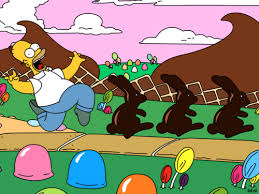
My former employer’s retirement simulation is so happy-go-lucky and optimistic (because every market is a bull market), it reminds me of Homer Simpson’s happy dream romp through chocolate town.

It’s toilet paper.

Don’t fall for the hype. Don’t even wipe with it: You’ll get a rash.

homer simpson chocolate dream

Maybe it comes down to simplicity.

Let’s start with four words.

Random Thoughts:

1). NO. Recall the habit of lending money to friends and relatives who rarely make efforts to repay. It’s time to make your retirement strategy a priority and use the word “no” often. You don’t need to explain. It’s an uncomfortable but necessary perspective. At the least, you’ll need to be selective, perhaps formal in your agreements going forward. The health of your retirement plan is at stake.

If you’re passionate about helping, consider the support provided, a gift. Set rules at first if saying “no” is difficult. For example, establish a specific dollar amount in the budget for purposes of lending. Never lend to the same borrower twice in the same year. Decrease the allotment by ten percent every year until eventually it’s so insignificant you’ll feel too embarrassed to say anything but “no.”

“No” is personal empowerment. Think of the word as a boundary – A verbal line in the sand that deepens the territory you’re clear won’t be crossed. “No” is a confidence builder. It allows greater focus on the “yes” you need to succeed.

Consider how postponing or decreasing saving for retirement by placing priority on education savings plans or by taking on excessive debt to assist children with college funding deserves a “no.”

Naturally, you want your children to prosper however, when the time comes to retire, there’s no loan, financial aid or scholarship opportunities available to you. The kids have options for funding. You don’t. A hardline “no” isn’t necessary; a change in perspective followed by action may be good enough.

Understanding when a “no” is necessary to avoid a derail of your plan is art and science.  A set of rules and setting expectations can help clarify when a “no” needs to surface. Perhaps you can partially subsidize education costs or seek compromise (a public, in-state option vs. the private university cost).

In eight out every ten plans I’ve designed, retirement is postponed by at least six years when parents decide to foot the entire education bill.  Saying “no” to full boat means your retirement boat floats sooner. I’ve witnessed retirement postponed a couple of years in most cases when compromises are made – a big improvement over waiting six years.

Mitch Anthony, author of the book “The New Retirementality” describes the modern retiree as trying to strike a perfect balance between vacation and vocation. In other words, maybe the perfect retirement plan is to say “no” to retirement. The traditional perception of retirement is indeed dying.

I work with a large number of part-time retirees who consult or are employed a few days a week to keep their minds active and say “yes” to continued contributions to the workforce. Meaningful engagement in a work environment is important to this group however, those retirees who do work are ready to say “no” at a moment’s notice if their employment situation grows unenjoyable or less meaningful. They have much to offer and their experiences and skills are valuable.

As best-selling author and good friend James Altucher told me:

“Never say no to something you love, so you never retire.”

His new book co-written with Claudia Azula Altucher, “The Power of No: Because One Little Word Can Bring Health, Abundance and Happiness,” will be necessary reading and provided to those I assist with retirement planning.

Ponder the “no” opportunities. Start with the actions you believe postpone or negatively affect what I call “retirement plan flow” which is anything that prevents your plan from firing on all cylinders.

A client recently said – “I even stand straighter when I say no. It makes me feel good.”

no

2). WAIT: The most common mistake I encounter are retirees who look to take Social Security retirement benefits before full retirement age when waiting as long as possible can add thousands in additional dollars to a retirement plan.

I’ve had to say “no” to clients seeking to retire at age 62. And I’m not ashamed. What’s three more years? It goes fast. And waiting can be lucrative. According to a 2008 study by T. Rowe Price, working three years longer, waiting until full retirement age, and saving 15% of your annual salary could increase annual income from an investment portfolio by 22%. If you can handle five more working years and save 25% of your annual salary through that period (takes some work), then expect a surprising 50% more income in retirement.

Delaying Social Security benefits from full retirement age to age 70 will result in an 8% increase plus cost-of-living adjustments. Where else can you gain a guaranteed 8% a year? Of course, nobody knows how long they’re going to live but if you’re healthy at 62 and there’s a history of longevity in the family, it’s worth the risk to wait until at least full retirement age.

3). SELL: Based on a recent paper written by Michael Kitces, publisher of The Kitces Report and Wade D. Pfau, professor of retirement income at the American College, reducing stock exposure at the beginning of retirement then increasing over time  is an effective strategy for reaching lifetime spending and portfolio survival goals.

The heart of the research is “Plan U” (for unorthodox in my opinion) — a “U-shaped” allocation where stocks are a greater share of the portfolio through the accumulation/increasing human capital stage (makes sense), decrease at the beginning of retirement, and then increase again throughout the retirement period.

The concept of reducing stock exposure early in retirement and increasing it later sounds highly counterintuitive – although from a market and emotional perspective it’s plausible, especially now.

First, be sensitive to your mindset as shifting from a portfolio accumulation to distribution strategy can be stressful. Focus on financial issues to allay uncertainty like (don’t let greater stock exposure add to stress), household cash flow and retirement portfolio withdrawal strategy. Gain and monitor progress with a financial partner or objective third party at least every quarter for validation and adjustment. The first year of retirement is an opportune time to step back from stocks especially as you feel uncertain and occupied with what I believe are more immediate concerns.

Second, stocks are not cheap based on several long-term price/earnings valuation metrics. Selling if you’re close to, or at retirement can be an effective strategy. Regardless, you may need to rebalance to free up enough cash to begin retirement account withdrawals by trimming profits in the face of lofty valuations.

Not a bad idea. Yes – sell, not buy.

As of the end of May, the P/E 10 which is based on the ten-year average of actual corporate earnings stands at 24.9. Since the historic P/E 10 average is 16.5, the current bull indicates an extreme overvalued condition.

Last, even though the key word is “sell” don’t forget to periodically add back to your stock allocation. Get the topic on your radar and continue the “U” formation after two years in retirement have passed. By then, you should have greater confidence in your overall plan and settled into a lifestyle pattern that suits your well-being.

4). SHIFT: Be open-minded and willing to alter plans as required. After two devastating stock market selloffs since 2000 and structural changes to employment including the permanent loss of jobs, we are growing accustomed to dealing with financial adversity – shifting our thinking to adjust to present conditions. Actions outside your control – poor interest rates on conservative vehicles like certificates of deposit, can disrupt retirement savings and cash flow. On average, the Great Recession has motivated out of necessity or fear, the desire for pre-retirees to work longer and continue to carefully monitor their debt burdens.

In addition, shift your thinking about continuing to save aggressively in retirement accounts as you get closer to retirement. If 80% or more of your investments are in tax-deferred plans, and you’re five years or less from your retirement date, I would consider meeting the employer match in retirement plans and saving the rest in taxable brokerage accounts. This strategy affords greater flexibility with tax planning during the withdrawal phase as generally, capital gains are taxed at lower rates than the ordinary income distributed from retirement accounts.

A qualified financial and tax professional can create a hybrid process where funds are withdrawn both from tax-deferred and after-tax assets. The goal is to gain tax control by not ending up in a situation where ultimately all distributions are in retirement accounts which will ostensibly be taxed as ordinary income. Your strategy requires close examination of how to blend all investment account distributions to minimize tax impact.

Shift your attitude about annuities. Look beyond the bad press and overarching negative generalizations you hear from financial personalities in the media – “Annuities are bad.” Are all annuities bad? No.

Several types of annuities exist. Some come with overwhelming add-on features and are difficult to understand.  You’ll know when to step away. Others are expensive and should be avoided. For example, variable annuities with layers of fees are a bad deal.  I find little benefit to them in retirement planning.

The greatest purpose of an annuity is to provide an income you cannot outlive. In its purest form, an income annuity whether immediate or deferred can be used to bolster the lifetime income from Social Security.

As you budget, total how much is required to meet household essential expenses, indexed for inflation: Rent, mortgage, utility bills, real estate taxes, food, gas, automobile payments (you get the picture). From there, work with an insurance representative (could be your financial partner), to calculate the investment required in a deferred income or immediate annuity to cover mandatory expenses along with Social Security.

An annuity investment takes over some of the burden of funding retirement; it shifts risk to an insurance company which increases the odds of portfolio longevity and or having the money you seek for fun stuff like travel and hobbies.

Retirement planning satisfaction can happen.

Occasionally, we create obstacles by accident.

Simple words can be powerful tools to cut away the confusion and settle your mind.

What other words will you consider?

Hey!

Not that one!

oh shit


Four Ways To Overcome Financial Inertia.

Five years after the financial crisis and those who cross my path tell me it feels like the recession never ended. They are stressed over personal finance, investing and debt management.

I get it.

dear ki

The concerns are valid. The stock market is up close to 200% since March 2009 so who wants to chase it; housing is sloppy but recovering. In several pockets of the country, real estate is expensive and prices are out of reach for many individual investors. Wage growth is dead (you receive a raise, lately?), we are spending more time in our death cubicles and missing soccer games. The masses burned out three years ago and saunter around today like the living dead hoping they can make it home to collapse in front of the television.

Sort of blows.

burn out

However, there are ways to take smart steps and overcome fear and procrastination:

To feel alive and in control again (remember that?)

Random Thoughts:

1). Go beneath the fears. Sure, I bet you can banter on about what concerns you. Until you use pen and paper to list what’s heavy on your mind, you’ll never completely weigh the implications of doing nothing. You may be surprised to discover that what really frightens you is merely a misunderstanding.

For example, I have a friend who was hesitant to save for retirement but his true dilemma was frustration over the limited choices in his current employer’s retirement plan; he failed to understand other retirement account choices were available outside his job.

Documenting fear will narrow down to issues you may explore with professionals or confidantes. An action plan outlining milestones will provide a sense of accomplishment and embolden you to accelerate positive behaviors.

2). Push ahead mentally 20 years to feel the pain enough to make one move. Who says you need to walk huge steps at once? Take small steps and move already. A way to create a urgency is to imagine what your life will be like two decades into the future if you remain in finance neutral.

What will your life be like 20 years from now if you don’t begin saving for retirement? Forget all the financial industry bull that makes you feel like if you don’t start socking away money from the age of 25, you’re permanently doomed to a life of poverty. It’s like me saying – “Hey, you’re 40. Too late to improve your health through diet and exercise, so just forget it. “

fat guy eating

I’ve worked with many accumulators who have hit their stride late, made changes to reduce debts and increase savings at a time when they believed – “why bother?” Along with an investing strategy they have caught up. They’re in a better place, financially.

So you’re late getting off your ass: Big deal. Just start.

3). Do some research. Knowledge is power. As you learn, fear will fade as you engage. A lack of knowledge will stir up uncertainty and freeze you in place. Sort of like what happened to us immediately after the Great Recession. Who the heck thought we could suffer another devastating economic collapse?

Don’t succumb. Dig in, a piece at a time until you feel less uneasy about the topic. Nobody expects you to be an expert; don’t be too hard on yourself. Gather opinions from professionals. Know the rewards AND risks.

Be wary of too much knowledge. Yes, you read that right. In other words, those who immerse in a subject begin to feel invincible. It’s at that point, dumb mistakes are made. You must remain humble in your quest to avoid overconfidence bias. Pompous asses usually don’t win. Don’t be a pompous ass. It takes too much energy for nothing. And nobody will want to help you reach your goals.

pompous

4). A little fear is healthy.  When it comes to money I find fear to be a motivator if used in controlled doses. Slight discomfort is healthy and will push you ahead. It’s through time and experience that fear will be perceived as friend. You should never get too comfortable when it comes to handling your finances. Discomfort breeds curiosity. Curiosity leads to awareness, especially of risk.

Eventually, inertia will be a memory; it will no longer prevent you from making improvements, seeking opinions and basking in accomplishment.

Household financial stagnation is still with us.

Doing nothing is detrimental to your long-term accumulation of wealth.

It’s time to get off the pot.

And unlock the potential.

Who knows?

You may even make new friends, get dates.

And reduce inertia, gain energy, in several areas of your life.

And get your head out of the urinal.

toilet guy


The Money Magic Mindset – 5 Ways To Get There From Here.

Some people are their own worst enemies.

worst enemy

This isn’t some new-age bullshit.

If you berate the person in the mirror and think or speak in defeatist terms, then you’ll walk a loser path word bricks have laid out for you.

So what are the words, phrases and sentences that can help you alter your current thinking about money?

How can you create a positive financial feedback loop?

Random Thoughts:

1). The words you say to yourself are everything.  Even if not exactly true (yet), what you convince your mind of, will eventually happen.  It’s called imprinting. You’re moving your thought process from negative to positive. Here’s how to switch it up. So you tell little white lies to yourself. Big deal. As long as their positive, who you hurting?

Give yourself a break.

Instead of:  “I’m a spender,” say “I’m a saver.” 

“I will use cash over credit.”

“I will save 5-10% of my salary.”

You’ll be receptive to take constructive action if you train your mind to feel good first about the decision you made. Say it then do it.

do it now

Get your lazy ass online to your 401(k) account and increase your contribution by 2% this weekend. Then worry about where the money is going to come from. You won’t even notice the change.

2). Ask yourself better questions.  Never use the word: Why. Why sets the stage for financial failure and mental obstacles.  Why can be a death sentence.

Replace why with how.

why why

For example, “why don’t I receive a raise?” is defeating language.

Think: “How can I receive a raise?” which forces the mind to create action steps to the goal you’re looking to achieve.

3). Create a “Crossroad Statement.” A “Crossroad Statement” is a “blood” declaration to yourself; it’s when you finally admit your current financial situation is not where you want to be.

It’s a decision in writing, to make a change – “I will be credit card debt free by February 2015.”

Keep your CRS with you; place it as a reminder in your smartphone.

crosstrack

4). Shamelessly employ coaches. Want to make your “Crossroad Statement” strong? Share it with people who will hold you accountable, keep you on track and celebrate your success.

5). Failure is power. Yeah, you read that right. So you fail at something, so what? What did you learn? How will you use the lessons to move ahead?

Words are everything.

The ones you employ to money map your mind will make a big difference to your future.


The Zombie Way: 7 Life Lessons From The Living Dead.

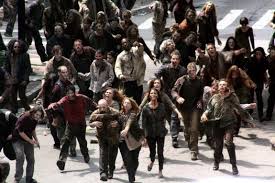
Zombies have been taking over your city whether you realize it or not.

It’s been happening for decades.
zombie city

Good enough reason to keep your doors locked, people! Not that locked doors help for long. After all, a mere few zombies can turn over cars so bolted doors and measly plywood over windows buys you just enough time to say goodbye to the loved ones.
night barrage

Sooner or later you’re on the menu.

Zombies are so white-red hot right now; these decaying, staggering masses or the deadest of “us,” easily steal attention away from popular (yet horrific) headlines from the likes of a very living Kim Kardashian stripping down or Lindsay Lohan losing her top at a nightclub. Who wants to see a naked zombie exposing her breasts (except out of macabre curiosity?)

Well, I do! But that’s just me.
zombie butt

The living dead have risen in prominence. Taken their rightful place. Gnawed their way to the top.

For decades their popularity has ebbed and flowed yet their presence has never truly decayed. And now they’re everywhere you turn. It’s the zombie time to shine! Albeit they’ve lost a healthy glow shared by their breathing cousins but it doesn’t matter.

I don’t see zombie popularity diminishing in the near future.

As economic conditions remain strained and public unrest persists, the fascination with these rotted maggot shells lives on. Several investigations exist to prove my case. I won’t bore you with them.

I’ll share my own rationale behind zombie fever. Also why I’m scared of them and admire them at the same time.

First, think about this:

They don’t fret over paying electric bills, meeting mortgage payments or college tuition
costs. The days of anguish over the daily money monkeyshines of the living are gone! Surviving takes on a totally different perspective.

How we relish those with reckless abandon who can just chase and bite, stagger and gnash like rabid animals.

The Government has even been known to send dead people unemployment and social
security checks but they have no need to cash them. I’m jealous. The mortal coil
of everyday fiscal obligations is broken. We are envious of the financial freedom. Who
wouldn’t be?

Zombies are brazenly wasteful and they don’t care!

It gets me frustrated. If the living dead are so ravenous why do they take no more than two bites of prey and move on? There isn’t an endless supply of warm bodies to nosh on.
nom nom nom

The undead need to do better with food handling. What about all those starving zombies in China? Even when they decide to dig hard and tear deep through a victim zombies don’t appear to be eating. They play with their food (in this case elbow deep in intestines, organs and other nondescript red slimy entrails). If I enjoyed my food this much as a kid I would have been in enormous trouble with the parents.
zombie with intestines

Perhaps I’m missing the point.

Maybe zombies don’t require sustenance. Now that I ponder, why would an animated rotting corpse need nutrition? Could it be they bite primarily to propagate the undead population?

They don’t appear to be very friendly to each other. I don’t witness any bonding among zombie hoards that convinces me they derive any benefits from increasing the undead population through procreation. I witness no hand holding or team work. They don’t even trip over each other.

Zombie French kissing seems wrong, too. Some don’t have tongues.

zombie tongue

In the AMC hit television series “The Walking Dead,” a believable explanation for the
genesis of said program title emerges.

At least it allays some of my frustrations over the deliberate waste of the fresh walking food supply.

In the Season One finale “TS-19,” the sole remaining doctor at the Center for Disease
Control (gingerly insane although very sage from a lethal combination of: Isolation, shooting his wife known as test-subject 19, and acceding to the awful truth
that there is no cure for the afflicted), outlines findings as a zombie zealot, I find plausible.

Dr. Jennings explains:

“The disease invades the brain like meningitis (ok I heard that’s bad).

The brain stem is restarted. Gets them up and moving (makes sense to me).

Most of the brain is dark: Dark, lifeless, dead. The frontal lobe, the “you,” the human part
is gone (it does appear that way).”

I’ve concluded (I think), animated dead folk are indeed ravenous.

They don’t possess the human or humanity (what’s left is a tiny spark of light at the base of the brain) to make the most of preserving the food source.

Dr. Steven Schlozman, a psychiatrist, Assistant Professor at Harvard Medical School and author of the book “The Zombie Autopsies,” would agree with Dr. Jenner’s conclusions and sizes up zombie appetites in a further professional manner perhaps because he never lost a loved one to a zombie nibble:

“The ventromedial hypothalamus (in the brain), which tells humans whether they’ve had enough to eat, is likely to be on the fritz in zombies, who have an insatiable appetite.”

I sort of admire how “walkers” (what zombies are called on “The Walking Dead,”) can be wasteful (and eat whomever they want) without any repercussions. No weight gain.

Damn them. Damn them all even more than they’re already damned. Jealous.

Zombies don’t need to exercise and it’s inevitable they’re going to lose weight without
much effort. I so hate them for this. As a matter of fact even though Hollywood never
seems to get it, if survivors can wait long enough, hunker down. The dead are literally going to rot.

It’s not like they’re embalmed or preserved. They’re sauntering about through
the harshest of elements. Eventually they’ll be dragging around close to the ground. Clumps of harmless, fermented flesh if you’re patient enough. You can then brazenly walk up and do a step and squash on what’s left of a head. Simple.

My boots are ready!

Zombies don’t poop. They’re no longer human, therefore they can’t blow up the economy, housing, stocks, banks,the currency, gold, or whatever else financially related. It would be a relief not to be bothered with reading all the financial publications that consume me.

Since zombies don’t experience fear, avarice, lust and all other very human vices I can’t foresee how they could fuck up the economy any worse than we can. My belief is corporate America is ingenious enough to eventually replace living employees with the undead at a moment’s notice.

They don’t require wages, benefits, time with family or friends.

Can you see the writing on the wall here?

Zombies no longer feel torment, guilt, revenge, passion, regret. They don’t hold baggage from parents who messed with their heads.

No cheating spouses or backstabbing friends to fret over. No Viagra (they’re stiff enough). No looking to slice up the boss (unless it’s for the purposes of eating.) Bliss!

Zombies can’t run no matter how some movies mess this up. I have a major issue with this one and I’ve studied zombies since I was ten years-old. This is purely an exploitation move created by film makers to make audiences feel more vulnerable and scared. No thank you. I’m scared enough by the staggering, original kind.
zombie running

Dr. Schlozman would back me up big time here. The good doctor in his book takes his
zombies seriously. As a matter of fact, when the zombie apocalypse finally arrives, survivors must find a way to the doc. His extensive study will be invaluable.
These primal hollows of our living selves just cannot run. Done.

From Doc Schlozman’s “The Zombie Autopsies,” the wisdom flows freely like blood from a gaping bite wound:

“Slower degenerative processes in the cerebellum explain the initially intact gait of the
infected, even though they all become increasingly unbalanced with time.

That’s why they hold their arms out in front of their bodies: for balance and increased coordination.

They just want to remain upright, on their feet. But the process continues, the cerebellum degrades, liquefies. Virtually all late-stage ANSD humanoids ambulate via crawling.”

AH-HA!

See? Running zombies are an abomination! Listen up movie-makers! I prefer my zombies slow, staggering and overwhelmingly off kilter. I’m a purist.

FYI – ANSD stands for: Ataxie Neurodegenerative Satiety Deficiency Syndrome. The
internationally accepted diagnostic term for zombiism. Thanks again Dr. S.

Zombies should stink to high heaven so why don’t victims smell them coming from at least
half a mile away?

I once went an entire week without bathing in 1989.

That’s after sex with two different women, eating several boxes of Entenmann’s orange-swirled chocolate Halloween cupcakes, ten Big Macs and washing it all down with large cups of coffee laced with heavy cream.

entenmans cupcakes two

I recall plenty of female nose crinkling and waves of disgust. Good thing I didn’t leave the house.

You rarely see disgusted looks on the faces of the living. I never heard once in a zombie movie.

“I can’t handle the smell of these walking maggot bags.”

“My eyes are watering from the stench of these fuckers.”

“I’m going to vomit from the ungodly odors these dead things throw off.”

Well, to pay homage to the terrific writers of “The Walking Dead,” like Nichole Beattie (who also has great hair that frames a perfect brain) there have been various references to puke, puking and zombie dead-body odor peppered throughout episodes.They’re passionate about authenticity unlike most who cater to us zombie zealots.

I salute them.

I passionately believe my teachers and friends – The Altuchers (James, Claudia), Kamal Ravikant, Srini Rao, prosper from personal tribulation and help alleviate the suffering of others.

I wondered: Can these sages learn from the behavior of the undead? I believe so.

The dead providing life lessons sounds strange, but I’ve been humbled by the dead. Their teachings sit deep in my frontal lobe.

In many ways, those who have passed are by my side more than ever. They might as well be walking alongside me in following dark shadows.

I’ve learned a valuable lesson over the last two years as I’ve studied zombies:

Hey asshole: Get out of the grave you’re still alive!!

grave hand

What caused me to living die? What causes you to living-die every day?

Working for corporate America (I affectionately call “Corpse America”) was a living death. Every day the corporate overseers would concoct creative ways to squash my spirit. I was under the cancerous thumb of a bloated financial services firm that lost its ethics and I was rotting away. Fast.
zombie suit

There was less time being productive and more mental resources wasted on complying with draconian-like rules and impossible sales goals that were progressively getting worse.

I felt powerless, sick, listless, diseased. I was passively allowing my brain to go dark.

I was able to fight off the corporate infection for years. Then I couldn’t battle any longer.

My immunity for bullshit broke down. I gave zombie-ism permission to wash (bleed) over me. Limbs went limp. The stamina and passion for my business was draining fast like black blood from a gaping neck wound.

I loved the clients and co-workers but felt truly powerless over my destiny. I was bleeding respect for myself and for the first time in years, the confidence in my skills was drained. I was frightened all the time and the dead were closing in on my space.

No matter how much wood I nailed over the windows they just. Kept. Coming.

Was I the only one who felt like this? I don’t know. I could see the light fade
from the eyes around me. Others were going to allow their souls to flee the mortal cavity.
There were the kids, or the mortgage, the car payment or the necessary financial
support for the stay-at-home spouse. Everyone was overextended.

Surrender felt like the only option. It was like exposing your most important parts willingly to a nasty zombie bite.

Ongoing bad health habits sooner or later, are a coffin filler.

In 2006, my idea of diet rarely strayed from a cheeseburger with a side order of donuts followed by another cheeseburger and six more donuts.

That was 50 pounds ago. I managed to do enough damage to my organs in one year to end up with Type 2 diabetes, high blood pressure and cholesterol level approaching 280.

I was so out of shape even a zombie-like stagger would have put me out of breath. Having diabetes scared the zombie out of me. The thought of going blind or losing a limb was more than I could live with. Dead man walking (on one leg) was not going to happen!

I changed  overnight. Oh I’m not perfect, but the disease was a blessing in disguise. I needed something frightening to jump start me.

It worked.

Think about it: What will jump start you to take your health seriously before it’s too late?

Big debt is a flesh biter. Excessive debt levels are a lethal weight on your shoulders and will suck the living life (and death) from you. Whether it’s your household or a government, too much debt is a brain drainer. Oh, you’ll still be able to walk around but dead inside you will be.

It’s worse for your situation than for most governments since you can’t create your
own money (well legally anyway). Too much debt in any form will have you unbalanced
and rotting in no time.

Media overindulgence, especially television, zombifies the frontal lobe. I hate to feel this
way since I know so many terrific media people. It’s just that television especially pseudoreality (not real reality because who wants to watch that?) campy talent and political drivel all eventually erodes the stuff that makes you “you.”

Just monitor and limit your intake.

Writing and reading for at least an hour a day keeps my frontal lobe in a less gelatinous
state. Find what works for you. Even playing a board game might help. Not
Sudoku. I’m convinced zombies created that game. Sudoku players fill out every Sudoku puzzle in every magazine at every doctor and dentist office. It spreads like
chicken pox. Stay away!

Syble Solomon, creator of Money Habitudes™ writes about how the television virus
attacks and tempts you to spend money:

“More subtle are the images of what is
“normal” that are created in most television
shows and movies. Usually people
are well dressed, have great accessories,
drive nice cars and live in up-scale comfortable
housing with expensive furniture and beautiful kitchens. You rarely see anyone
paying for anything on TV or in the movies.”


You ever see that fancy apartment on the TV show “Friends?” How did those losers afford it? You begin to believe that’s normal! It’s NOT. Unless the women were high-end call girls working overtime. Then it’s a possibility.

What knowledge you can gain from the walking dead. See? There’s so much.

You’re not the shuffling soulless yet. Be thankful for that. The zombie inside captures
your glance in mirrors. It so desires to permanently deprive you of all the colors
that make you warm and human. It will win if you let it. It works to tempt you.
Even though it feels like you’re dead sometimes, of course you’re not. The nice thing is there’s a cure for your zombie transformation. You can come back.

I know how some of the stuff I wrote about earlier can fry you from deep inside – the
job, the bills, the spouse, the boss, the debt.

Then there’s the receding hairline, the erectile dysfunction. How do you handle this?

Discover ways to restore faith and revive the soul. Search out, step back and document the humans, actions, things that keep you alive and grounded.

It’s healthy to be wasteful once in a while. Put the zombies to shame.

I’m not alluding to tossing crisp, new $20 bills from the sunroof of a moving car (I
tossed a Shania Twain CD from a moving vehicle once). I’m not even referring to
willfully taking a teasing bite out of a filet and discarding the rest just for kicks.

I allocate one day a week (usually a Saturday because I’m a horrible creature of habit,)
to partake in completely wasteful (occasionally disgusting) activities and lovingly
simmer in my own juices.

I take my time closely examining the latest edition of Maxim Magazine, an occasional Playboy, Men’s Health. I eat Chinese take-out in my underwear, indulge in endless Three Stooges episodes on DVD. I strive for a zombie-like state of non-awareness. Is that a word? You get the picture (I’m sorry).

Decompression is a good thing. My theory is that naked zombies really comprehend this chilling out thing. I admire free spirits (living or living dead). Unfortunately, there’s a real scarcity of nude zombies in movies and television. It’s blatantly pitiful (NB, can you work on that?).

The undead have been stalking society long before they became mainstream. They’re
equal opportunity, infiltrate all races and cut a bloody swath across political lines.

They gain attention when economic conditions deteriorate or improvement is anemic.
They pop up during times of social unrest. Since the last recession, the most severe in
decades, zombies have been downright frenzied.

When things are good, we’re making money or generally less turmoil exists in the world, zombies are pushed aside, beaten down. Mocked. Contained.

As much as I love them because I enjoy scary thrills, I long for the days when zombies are disrespected again.

I don’t recall zombies so relevant and overwhelmingly popular as they are today; I’ve been keeping track of their ebb and flow since I first bug-eyed watched the black and white cult classic film “Night of the Living Dead,” by zombie Master Muse George A. Romero, on a crappy plastic encased thirteen-inch black and white TV. 1973.
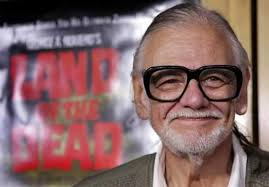
romero Romero: The Zombie KING.

In 1968, the year “Night” was released, the Vietnam War was released, the Vietnam War was raging, civil rights protests were grabbing headlines and Martin Luther King, Jr. was assassinated.

The film cost a grandiose $114,000 to make which even then for a movie was a pittance of a budget. It has grossed over $30 million worldwide. What a return on investment!

Romero created a controversial stir by featuring a black man, unknown stage
actor Duane Jones, as the brave and resourceful hero while most of the men (white) in
the cast were blowhard, wishy-washy or backwoods white folk.

Romero also plays up the contemporary theme of government distrust as dead
body brains are “activated” (allegedly) by radiation expelled from the explosion
of a space satellite, the “Venus Probe.”

Throughout the film, there are shots of military officials (actors) fleeing from television news cameras all the while denying the connection between the radiation and the returning dead who make a meal out of the living.

The bitter irony of the movie is how Ben (Duane Jones) solely survives the night of ghoul attacks by locking himself in the basement of an abandoned farm house only to be shot in the head the next morning by a white member of a sheriff’s posse as he’s mistaken for one of the remaining zombies roaming the countryside.

I remember watching. Scared to death, frozen. Shocked. I recall muttering the words:
“This really sucks.” I hated the ending but I understood the point Romero was trying to make. Well, I think I do. Back then, I interpreted the messages through my warped mental screen. I still believe my interpretation holds up.

First, why bother to survive a zombie hoard if you’re going to be shot in the head by
your own people (the living kind) anyway? What a waste.

Second, make more noise and scream actual words like the living (not guttural grunts like the dead) if you see a posse out a window! Ben, Ben, Ben. You were too quiet. I understand you just went through hell and you’re bit dazed but if it’s me I’m screaming like a sissy living, defecating human who just soiled his Fruit of the Looms!

Third, based on the social turmoil of the 60’s, I think Romero sought to use the film to
convey messages about the futility of the Vietnam War (conflict) and the tragic assassination of MLK, Jr. Go ahead fight the good fight, be honorable, stick to your convictions, but understand there is still a great risk. The hero can indeed fail or die. I hated how Romero killed off Ben at the end (I know I mentioned that, already).

Fourth, an interracial couple holed up in a farm house (even when the female is young,
blonde and completely unresponsive) doesn’t mean sex is definitely gonna happen. Huh?

Not when Ben is around! I was wondering when he was going to rip off Barbara’s (played by a very blonde actress named Judith O’Dea), clothes but all he did was comfort and protect her. Well, he did knock her out with a hit in the face but it was perfectly understandable. She was unhinged after watching her brother become zombie brunch. Like the opening of a porn flick, yet BEN stays out of trouble. 

Even after she clawed at her scarf saying “it’s hot in here, hot.” NOTHING. Ben,
you helped me understand what being a gentleman really means. Can you imagine
if Romero had Ben have his way with Barbara?
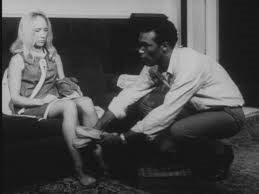
gentleman

Talk about controversy in 1968!

And…

Like their walking brethren, the financial decayed are here to stay!

Banks – With many banks domestic and global, systemically risk averse and making
thinner profits they seek to bleed you but instead of teeth you’re getting bitten by fees – higher checking account fees, debit card usage fees, fees to talk to a person, wire transfer fees, monthly maintenance charges.

Forget that. Fight living death by fees!

Consider switching to an online bank as long as you’re comfortable with lack of a branch location to walk into. I haven’t used a brick & mortar bank in years.Good riddance.

Check out the best online banks and checking accounts at www.nerdwallet.com.

Make sure the bank you choose is covered by FDIC and you don’t breach the coverage limit which is $250,000 per depositor.

Also, banks currently are not required to play by the rules – due to suspension of accounting rules whereby assets on the books are not priced to what the market would actually pay for them, there are banks that most likely are insolvent (or dead) yet still alive!

Plainly, if it wasn’t for the suspension of this rule called “mark to market,” poor performing banks with liabilities exceeding what assets are worth, would have been truly dead a long time ago and not still occupying a location near you.

When I was ten, mom would leave me home alone on Friday and Saturday nights until she found out my babysitter and her girlfriends were dancing naked in front of me during late-night TV’s Don Kirshner’s Rock Concert.

What did I know? I was pre-occupied with covert G.I. Joe missions. I never minded the
nude dancing. I’d glance over once in a while. It looked fun and free. I was scared to be
alone on occasion but mom needed her boy time I guess.

I owned the most extensive G.I. Joe collection in the neighborhood until my mother
made them disappear one by one. She was like a sniper/kidnapper the way she picked them off along with my other toys.

Especially cool were the Joes with fuzzy hair and beards. I never really embraced the Kung-Fu Grip line of brave soldiers for some reason.
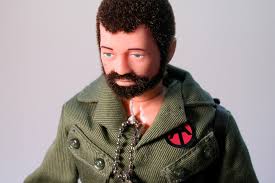
gi joe hair

We recently moved to a second floor apartment adjacent to a stairwell. The halls on weekend nights were lively, especially after midnight. Kids making out, the occasional marital fight spilling out, enriched with curse words bouncing off hallway walls, outright screaming.

I can still remember the first time I watched “Night of the Living Dead” on an ABC Saturday evening late show. The idea of zombies was sort of goofy to me before then. I believe I watched Scooby Doo trip one up on morning television. To me they were clunky cartoon relief. In black and white, late at night and thirsty for blood, zombies gained more of my respect. Scooby Doo was either brave or just a dumb ass.

It was that  damn, dead woman at the top of the stairs. The devoured face. That eyeball staring at me, piercing me through an old RCA Television screen.
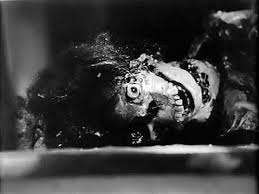
top of stairs

My perception of zombies had changed. Forever. They haunted me from that moment.
If I would have known how popular they were to become, I would have given up on this
money management business a long time ago. There was a fortune still yet to be made exploiting the undead.

According to the blog “24/7 Wall Street”, zombies are worth over $5 billion to the economy. Costumes, movies, novels, comic books, video games, television shows. All serious business.

From cult following to popular mainstream, the dead overpower the compensation of any cadre of top U.S. corporate CEOs who now make 400x what you do.

Oh no, I’m convinced. Zombies are here to say. Let’s review the lessons.

Random Thoughts:

1). Zombies represent our human weaknesses and loss of control over our environment. During periods of economic distress, their popularity festers. Fear of loss, lack of confidence, subpar gainful employment are prevalent today and will be as we slowly emerge from a housing, financial, credit, banking crisis atomic blast.

2). The living dead represent the vulnerability that lives deep inside our guts. It’s the human condition pushed to extremes. It’s the threat of loss. The loss of our ability to be human. A test under severe pressure. Up against the wall, you find out who you truly are.  At this time, many of us feel vulnerable in our jobs, with our incomes, our relationships. In these times, zombies demand our full attention.

3). Understand what rots you. Stuck in a cubicle overseen by mindless middle management bosses, abrupt changes to your income, excessive debt, negative people, bad health choices. Hell, you think zombies are scary? Try to have an intelligent conversation with your boss. See if he or she can think independently from the infection swallowed daily from the corporate “stink” tank.

4). Political turmoil stirs the zombie hoards. Didn’t George A. Romero effectively teach us this lesson? There exists less faith in our leaders regardless of political party. Uncertainty allows the walking dead to herd, gain strength in numbers. In certain states, they may be allowed to vote. I’m not sure.

5). The economic system is still rotted and dragging dead feet. Five years after the worst financial crisis since the Great Depression, and the economy is still shuffling slow like a zombie in the August Texas sun. Below average economic growth, structural underemployment, first-time homebuyer malaise, below-average or non-existent employee wage growth, real median household income off 7% from 2008. This isn’t a healthy state of affairs, everyone. Actually, it’s fucking disappointing.

6). Corporations are now zombie factories. Especially the publicly-traded ones. Hey, as a money manager I love how corporate leaders hoard labor, work current employees to exhaustion, utilize financial alchemy like purchase back stock shares to boost earnings-per-share and stock prices. As an employee herding in a work force where labor is plentiful, where an individual can be replaced at any time by someone willing to accept half the pay, I would fight like hell to get out before the zombie infection takes me and I’m gnawing on an arm by moonlight.
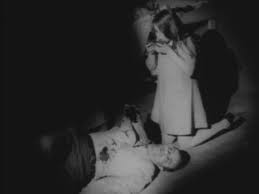
arm gnaw

7). It’s acceptable to go brain dead on a schedule. We’re an overworked society; people don’t take vacation anymore. Americans fear for their jobs when they take time away from their technology to be with their family. Set aside a few hours every week to indulge in a guilty pleasure. Hell, eat a pizza in your underwear. Drip salsa on your shirt and suck it off. Whatever.

1:00AM: The hall outside my apartment was especially loud. During commercials I checked the peephole but saw nothing. Then, from out of nowhere, it sounded like a sledgehammer at the front door:

BOOM BOOM BOOM!

I couldn’t breathe. I was paralyzed. I hit the red shag face down. I sought to go deep believing if I was part of the carpet, I couldn’t be discovered.

I belly crawled to the kitchen to knock the red Bell Telephone Trimline off the hook.

Thank god for extra-long pigtail phone cords. One tug and the receiver would be mine.
Stay calm. Hit the neat little lighted buttons for 911. Brooklyn’s Finest would arrive quickly to save me from the zombie with a weapon.
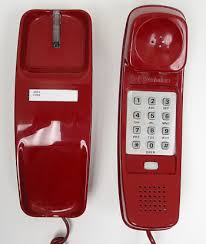
red trimline

Then it stopped. As fast as it started the pounding stopped. The banging went dead. On
my television I saw hero Ben lighting a corpse on fire using a makeshift torch. Was I going to need to take notes? I could use a G.I. Joe as a torch. I bet that fuzzy hair would go up quick.

I was hesitant to call the police now. I was upright. I walked slowly back to the sofa facing the television. It was eerily quiet outside.

I crawled to the front of the apartment and looked underneath through lit-sliver between door and floor. Nobody. Nothing. No sound except for a heart pounding in my ears. I stayed pinned down. Not blinking.

And Ben died. Shot through the head. Just like that.

The next day I discovered there was an arrest close by. The ex-babysitter’s boyfriend had broken into several apartments. Items were stolen. Supposedly he was looking for a place to hide and thought he could take refuge in my apartment. He thought the babysitter still had a standing appointment with me.

That was the first and last time I was glad a young woman wasn’t around dancing naked in front of me.

That was the first and last time I was glad about a decision my mother made.

Fire the babysitter.

bad babysitter


Out of the Mouth of Babes (It’s Not Just Cupcakes). Why Your Kids Are Better Investors Than You Are.

“Kids say the darndest things,” Tammy Wynette.

funny child

It’s fun to teach the future generations about money.

Well, most of the time it is.

Those under thirteen tend to be an overly-excited group known to blurt out whatever is on their minds often at the surprise of adults in the room.

I always make sure to have plenty of treats for everyone at the end.

Since it was later in the day, the fourth grade class that made the journey to the office recently was especially ravenous, however I wasn’t going to change the routine-we learn at the beginning, ravage the cakes at the end.

This batch of cupcakes was especially fresh and frosty. But it didn’t matter: I wasn’t going to deviate from the plan I’ve used for years.

Out of the mouth of babes – lessons and behaviors we’ve clearly forgotten.  As adults we are relentlessly bombarded with the noise of daily living and sometimes we just don’t see things clearly based on our own biases. Children are overwhelmed with stimulus too, however they don’t have as entrenched a filter and they’re willing to see things as they are and happy to share an opinion.

There are wise words coming from the mouths of babes if you only listen.

Random Thoughts:

1). Do homework first – Many of the kids believe that before you make an important purchase, you do your homework. Now, their homework may not be as sophisticated as yours, however investors tend to forget, especially when the markets are more erratic, that emotions can overwhelm the desire to dig into facts.

We take action first out of fear or panic and deal with the repercussions later. The kids always seem surprised how many adults will buy and sell investments based exclusively on what they see or hear on television and radio. Mind you, these young students think it’s perfectly ok to purchase a breakfast cereal based on media, however acquiring an investment or “something that can go down,” (their words not mine) requires more time and effort.

During market extremes it’s timely to take your portfolio’s pulse (and yours) to determine whether you’re comfortable with your asset allocation plan-the division of assets into stocks, fixed income, cash and other investments. If your portfolio is gyrating more than the market up or down and you’re uncomfortable, homework is required to narrow down the investments causing the turmoil.

From there, it’s time to decide (based on the homework not heartburn), to take one of three roads as you evaluate financial holdings: Stay the course, buy more, or sell the investments causing distress. Again, base these decisions on your tolerance for risk and then maintain that risk profile through good and bad cycles.

2). Buy low – I know this sounds flippant or simplistic-for the mature crowd, buying low is easier said than done. They children believe they should try their best after research, to buy low into investments or at least they hope to accomplish this on a consistent basis. We teach the kids patience when they want a new video game, it’s time we teach ourselves some patience and let asset prices come to us. I know. Good luck with this one, right?

me know me funny

3). Buy what you understand – Another easy one, (in theory anyway). The kids feel strongly about buying what they know or understand. Occasionally, we make a portfolio allocation too complicated by purchasing investments we don’t fully grasp. There are a plethora of vehicles on the marketplace that are based on currency movement, bet against the markets or particular industries, and promise appetizing returns when the market is directionless.

What is the impact to the overall portfolio? If the addition appears overly complicated and you can’t explain it to a listening party, you may be better off passing on it. A complicated strategy is not necessarily a better one. Your investment plan needs to be realistic, actionable and comfortable based on your personalized goals and aspirations.

4). A sell Discipline, what’s that? – Children seem to embrace the idea of selling investments and moving on. For some of us grownups, this can be a challenge. We tend to be resistant to rebalancing or we allow one investment to swallow up a major portion of the portfolio, resulting in more risk. If you don’t have a discipline around buying and selling assets to restore your portfolio to an original target allocation, then ultimately you’re not controlling risk. Rebalancing requires a contrarian nature whereby you’re shaving down what’s done the best and adding dollars to those asset classes currently out of favor.

A concentrated position means that a stock, industry or sector makes up a disproportionate share of your total portfolio, usually 20% or more. The end results is more volatility in the portfolio as the key driver of returns, good or bad, depends on the performance of a large holding. Investors are sometimes reluctant to trim concentrated positions due to the tax implications of a large capital gain or an anchoring to a past price to minimize a loss. It’s important to maintain perspective on the risk as first priority.

5). Wait patiently for cupcakes at the end – Investing takes patience and a willingness to be disciplined. There must be goals established and when those goals are met, the sweet reward is certain to follow.

It was tough for the kids to focus on the lesson at hand with treats waiting; the children eventually learn that shortcuts to the baked goods don’t exist especially through my lessons! It’s similar with investing. We too, as adults, want our dessert first or seek to get rich quick based on shortcuts.

Ostensibly, when the market are not cooperating, back-to-basic strategies like saving more, decreasing debt or extending the time needed to reach a financial goal are usually the best.

What will you learn from the children today?

Keep an open mind and you may be surprised.

kid eating cupcake


Taking Stock In Your Kids – 4 Initial Steps To Get Children Excited About Investing.

As featured in http://www.nerdwallet.com.

Begin talking with the kids about investing sooner rather than later.

Interestingly, many parents find it awkward to discuss stock investing, especially with their young children. Some adults don’t feel confident in their abilities to do research. What I’ve discovered is the discussion with young children actually helps less confident parents become better stock investors.

The conversation raises the bar for teacher-parents and the children willing to learn.

It’s a win-win.

winning

There are several milestones to reach. The adventure begins with these simple steps to consider when it comes to engaging the children.

Random Thoughts:

1). Build excitement – Creating passion around the investing process is important. Begin with a dialogue around the children’s brand loyalties (and they start at an early age). When I was young, I drove my parents crazy: I always “needed” the latest Mattel’s Hot Wheels car or Hasbro’s G.I. Joe action figure. I would only eat Kellogg’s Frosted Flakes, not the store brand.

GI Joe Vintage

So, what products are your kids passionate about?

Create short-term activities to build interest. Come up with a deadline for completion. For example, have the children begin and maintain journals of the products and services they like or use. Have them track the prices of those items over the internet or when you head to the stores.  Remind the kids how the family is excited to hear about what they’re thinking and plan a family gathering around the topic.

One family created a big event around the journals. They had the children select their own notebooks and personalize them with money-related and other types of stickers. The kids paid for the supplies out of their allowances which created a stronger connection to the project.

2). Organize a family discussion – Once the children share their information at a family gathering, expand the discussion to include the products and services the family purchases or uses on a consistent basis, say at least twice a week. From soap to shoes, batteries to bandages – leave everything open for investigation. Nothing is off-limits. Now, you’re building a research list!

3). Watch your words – I’ll never forget when my uncle who was a specialist on the floor of the New York Stock Exchange, explained how I had the ability to own part of a large company. I was hooked. Wait: A poor kid from Brooklyn can own a piece of McDonald’s?

How does that happen?

kid surprise

The language used around stock investing is important to help the kids gain healthy perspective and a sense of pride in their selections and the investment experience, overall. The phrase “buying a stock,” is confusing when compared to “ownership in a company,” which in essence is what you’re trying to help the children embrace.

The concept of “stock” is nebulous for the younger ones to comprehend so it’s best to keep the language simple. Using words to connect ownership to investing creates a long-term investor mindset. You don’t want the children to focus solely on stock price movement; it’s best for them to strive to build discipline by focusing on the long-term value of a business – and all because you provided the perspective.

4). Begin with the concept of sales – It’s a good idea to introduce one simple concept before you begin specific stock-research homework. I’ve found kids relate well to the concept of sales. Whether you’re talking lemonade, girl-scout cookies, or school-related fund drives, children have an uncanny ability to understand that sales are positive and can lead to personal reward. It’s the same for a business. Generally, the more goods or services sold, the more favorable it is to the stock price over time.

kent soda

You don’t need to work through these initial four steps alone. Partner with a financial advisor to facilitate the discussion or utilize books and other resources to jumpstart the process.

I recommend the book “Growing Money: A Complete Investing Guide for Kids,” by Gail Karlitz and Debbie Honig.  Easy to understand and designed for children ages 8-12.

Want to engage the kids about several money concepts? There are 7 great money apps for kids reviewed by NerdWallet including my personal favorites – Virtual Piggy and Bee Farming.

You don’t need to wait (like I did) until you receive verbal cues from the kids to begin the engagement about investing.

You may never get them.

Even as early as age nine, you can begin a dialogue.

In the next report, I’ll take the investing discussion to the next plateau.

Until then, begin the conversations, start the journals, ignite the passions.

And the kids will never forget.

kids and stocks


Baby Boomers and Their Spending: Four Things Retirees are Thinking Now.

Baby Boomers are known for their penchant for spending. They were not hesitant to take on debt to enhance their lifestyles as they built successful careers and accumulated assets.

The post-financial crisis Baby Boomer retiree is constantly rethinking how to direct discretionary dollars or their “fun” money.

I recognize and document the changes I observe: There’s a deliberate thought process behind discretionary spending. The mindset is a clear path to personal enrichment and a generous nature when it comes to providing knowledge and positive experiences to those they love.

Here are a few of the more interesting random observations:

“We crave memories.”

dog hump

A majority of Baby Boomers are directing discretionary dollars toward experiences, especially with close friends and former business associates.  They would rather focus on creating memories. The desire to make large-scale expensive purchases is on a very noticeable decrease.

There’s a passion for atypical trips – wine tours in exotic locations, extended-stay vacation spots, off the beaten-path locales where time is made for conversation. Physical and mental challenges are important, too. Hiking, skiing, scuba diving, mountain climbing are high up on the bucket list. Learning new skills like painting or ethnic cooking have replaced a desire to own goods. If anything, Baby Boomers are releasing the shackles of material goods and downsizing.

And they’re on to something:  Research by Elizabeth Dunn and Michael Norton, authors of the book “Happy Money: The Science of Smarter Spending,” outline how spending money on experiences can stretch “happiness bucks.” Memories outlive the short-term excitement of a purchase like new automobile.

An emerging trend has been the growing demand for off-site wine storage venues. Here, Boomers with a passion for wine can house their inventory in a climate-controlled environment and have access to comfortable lounges to share their collections with friends and others who share their passion. Those who participate in this activity advise me it’s more about socializing and the overall experience than the wine.

“We seek self-awareness.”

disturbing

Baby Boomers are passionate about learning more about themselves and willing to spend money to do it. Much of their mental resources and daily hours were spent building long, stressful careers and raising families. Several have expressed to me how much they regret not spending more time going further down a spiritual path. An increasing share of the discretionary budget is being directed toward classes, books and travel that result in methods of heightened self-awareness and inner wellness.

Boomers have experienced hardship within their households; they know of immediate family members and close friends who have gone through difficult financial episodes. Striving for inner peace and ostensibly communicating what they’ve learned with others is of greater important than showing off new, expensive toys.

“We want to share with family.”

horsey

The Boomer desire to leave a big inheritance is not a priority. The trend is to share the wealth in retirement, especially through activities that include family. The addition of travel with children and grandchildren is a popular goal and from a financial planning perspective, has morphed from a want or wish to a strong need.

They’re called “multigenerational vacations.” Whether cruises, theme parks, or scenic road trips, a strong desire exists for Baby Boomers to be travel partners with loved ones.  And picking up the tab for the group is not a concern. They possess a desire to etch good memories in the minds of their families and to actively participate in the fun. They seek to leave a strong presence after death. A living legacy.

Boomers are readily sharing newfound hobbies with family. For those on a more limited budget in retirement, pre-scheduled gatherings to show off cooking skills are popular. Any activity that creates an opportunity to bond with family (and they don’t need to be over-the-top expensive) is approached with the same energy retired Boomers applied to building careers and businesses.

“We are collectors of unique items.”

GI Joe funny

Unique collectables are popular with Boomers. Scouting resale shops and antique stores have become a formidable leisure activity in retirement. The most popular collections are tied to vintage pop culture products owned or remembered as children.

Baby Boomers are diligent when they purchase collectables. They’re patient and will wait until the “perfect” item crosses their path. Since they disdain clutter, homework is important, and they’re extremely selective. Budgeting for these purchases is important, too.

Toys, magazines, comics and vintage books from the 1950s through the 1970s are the most prominent collectables.

Roughly 25% of discretionary budgets are allocated to unique items -up 30% from five years ago.

The spending behaviors of Baby Boomers in retirement are fascinating to observe and document.  They’ve changed over the last five years.

As a Boomer retiree said to me recently: “I’m focused on my return on life.

If I can maximize that all the rest will fall into place.”

falling flat


The First Meeting with a Financial Adviser – 5 Signs to Cut and Run.

Richard M. Rosso, CFP's avatarRandom Thoughts of a Money Muse

It’s frustrating, time consuming and intimidating to find the perfect financial professional.

It’s the first meeting (finally).

What signs should raise the hairs on the back of your neck?

hair back of nneck

First hair: Products are discussed. How can an adviser discuss products when they have no idea of your situation? The initial meeting is one of inquiry and discovery, not solution or product. It’s fine if you have a product-based question, other than that? No.

Second hair: Too talky. You are seeking an inquisitive, active listener. Not a talker. You should be doing most of the jaw boning, not your prospective adviser.

Third hair: Not enough questions. A good adviser is like Columbo in less-wrinkled clothing. Keep a detective’s eye out for open-ended questions which allow you to tell your story and share concerns.

columbo one Heck, if it’s a good adviser, forgive a messy tie.

Fourth hair: Limited eye contact

View original post 162 more words

When Structural Integrity Is Breached: 5 Ways To Rebuild – Stronger Than Ever.

broken body

You found out too late. Your compass was off. Like way off.

compass heart

The foundation of your life, of what you believed was important to the core, was really a facade misconceived as an altar made of steel.

And when the massive cracks were exposed.

A harsh reality emerged.

A thousand serpents uncoiled and slithered in several different directions.

On a search-and-destroy mission.

As those you loved and entities that held your loyalties.

Turned.

Attacked.

And.

Sadly, it was too late.

To protect the structure.

The cancerous nature once hidden was then revealed.

What you built, what you thought you built, wasn’t what you thought it was at all.

Broken glass held together with false mortar of ego was all it was.

shattered glass

You had no choice but to allow your illusions to shatter.

Feel the heat of the cuts.

Embrace the blood.

Allow starving snakes to feed.

2014-04-03 05.46.55

So I ask.

How will your structural integrity be invaded?

Maybe you never gave it much thought. Now you understand. Invasions happen. There will be times in your life that attacks will occur.

Disease, aging, flaccid privates, flab, hair growth in all the wrong places.

Your mind will find a way to slice you, too.

The invaders are never welcomed. True – some are expected.

But then there are the surprises.

The atom bombs.

The blind-siders.

And the heat of the invasion leads to scorched earth.

The violation creates.

An impact so earth shaking.

A blowout so expansive that.

Once it occurs you can’t go back. The structure as it was, can no longer be trusted.

And among the rubble.

You rebuild.

And it takes so much of yourself.

You’re weaker for the rest of your life.

Just like that.

Boom.

nuclear explosion

On the other side of the devastation.

You remember what was lost in the blast.

And in your dreams, you long for some of what you had.

Before the wounds.

There was.

Stamina. Determination.

Sanity.

Nothing is as it was.

Right down to the senses.

The blue on your tongue tastes yellow.

Out from the rubble of a structural breach.

The lens from which you view the world, yourself, are strained; it’s hazy around the edges. Although your vision, determination, direction was never clearer.

You trudge forward. Focus on re-calibration.

Galvanize. Work with what you got.

Execute with a new instruction manual.

Fuck.

What choice you got?

In the span of a lifetime, I pray your structure is never violated. If so, I hope you’re close to clearing the debris and eager to start over.
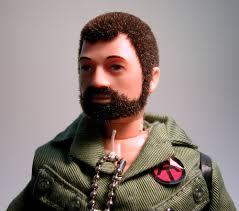
For the breached ones, the invaded ones, the violated ones, here are a few.

Random Thoughts:

1). Stack as many odds in your favor as possible. Take a realistic, objective inventory of what you got left to fight with. You’ll eventually learn your own ways to work around the break in structural integrity. Guard yourself at all times: Say no more often, immediately release those who drain energy, keep vigilant or aware of what can erode the structural integrity that remains. Do whatever is necessary to preserve mental and physical attack as another battle could end in mortal disaster for you.

2). Recognize the warning signs of attack. Get your head connected to your gut and take quick action. I knew deep down, attacks were possible, but I fooled myself into believing all would be OK. When it comes to war on structural integrity, your instinct can feel it coming. It’s an internal awareness mechanism you should not ignore (like I did).

3). Make a list of the things you must accomplish daily to rebuild. I deep breathe 5 minutes every morning; I apply positive self-talk to fight fear and worry. I work out to the point of vomiting. There’s a continuous, obsessive focus on healing and protecting the wounded area. The steps will be different for you. Just start something. Create healthy daily habits. Each action will replenish, protect and compensate for the damage. Most important, you will prevent the weakness from spreading.

4). Never forget how you left yourself open to blind siders. You failed to stay alert. Most likely 20% of your life force escaped through the cracks. Gone forever. You cannot afford another hit. It’s all about preservation, now. People, entities will seek to harm you to protect themselves. It’s survival of the fittest gone mainstream. Don’t be blind. Remove selfish ego-based people and thinking from your life. Create a circle of protection which contains those individuals, teachers, activities, foods, conversations that nurture you. All the rest need to be cut out immediately.

 5). What can breach the integrity of your financial structure? You have minor children and no estate plan, no legal will. You depend on credit cards for emergency expenditures, you don’t carry adequate life insurance or disability coverage, you co-sign for loans. It’s a matter of time before your money will be attacked.

Believe me.

I’m not back to where I should be.

I suffer from this recurring dream; I’m standing deep in a yellow pea-soup colored fog. The sound of a roaring train fills my ears, raises my blood pressure and then rolls over me.

I wake up shaking. In a cold sweat.

It’s the tear.

The rip.

Reminding me.

Warning me.

That the next point of impact.

Will topple who I am now.

Threaten to take away those  I love.

So I stand.

Ready to fight.

In the meantime, I will.

Replenish.

Stay aware.

Remember.

And wait for the fog to burn away.

For the last time.